Modern manufacturing is being shaped by a growing focus on efficiency, responsible resource use and better process control. Across the steel and metals industry, clean technology is not limited to one machine or one investment. It includes the everyday decisions that help plants use materials and energy more effectively while maintaining dependable production.
For manufacturers, this means looking closely at every stage of the value chain: the quality of incoming raw materials, the stability of production processes, energy consumption and the responsible management of by-products. These priorities are relevant across SAL Steel Limited's four product segments: Iron Ore Pellets, Sponge Iron, Ferro Chrome and Captive Power.
What Clean Technology means for Modern Manufacturing
Clean manufacturing is a continuous improvement process. It can involve accurate process monitoring, efficient material handling, reduced process losses, energy management, emissions monitoring and water conservation. The right combination depends on the product, plant configuration and applicable operating requirements.
The objective is practical: make better use of resources, maintain product quality and improve operational consistency. Strong process data and regular performance reviews help manufacturing teams identify where improvements can be made and measure their results.
Iron Ore Pellets: Supporting Efficient Ironmaking
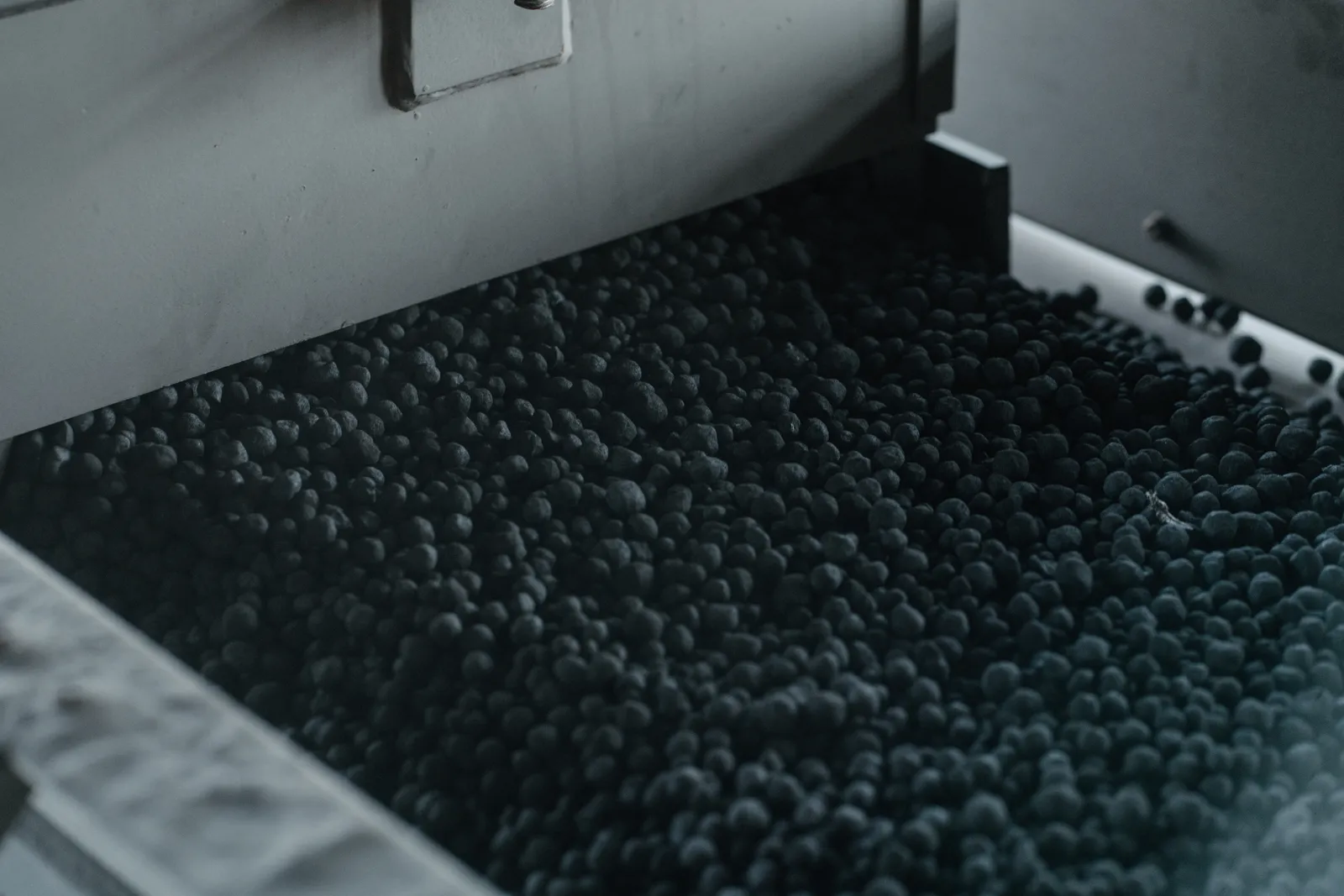
Iron Ore Pellets are an important iron-bearing raw material used in Direct Reduced Iron (DRI) production and other suitable ironmaking processes. Their chemical composition, size distribution, physical strength and reducibility influence handling and performance in the next stage of production.
Consistent pellet quality helps support controlled feeding and predictable process conditions. Careful storage and handling can also help limit material degradation and fines generation. These are important considerations when manufacturers work to improve raw-material utilisation and reduce avoidable process losses.
Sponge Iron: Process control in DRI Production
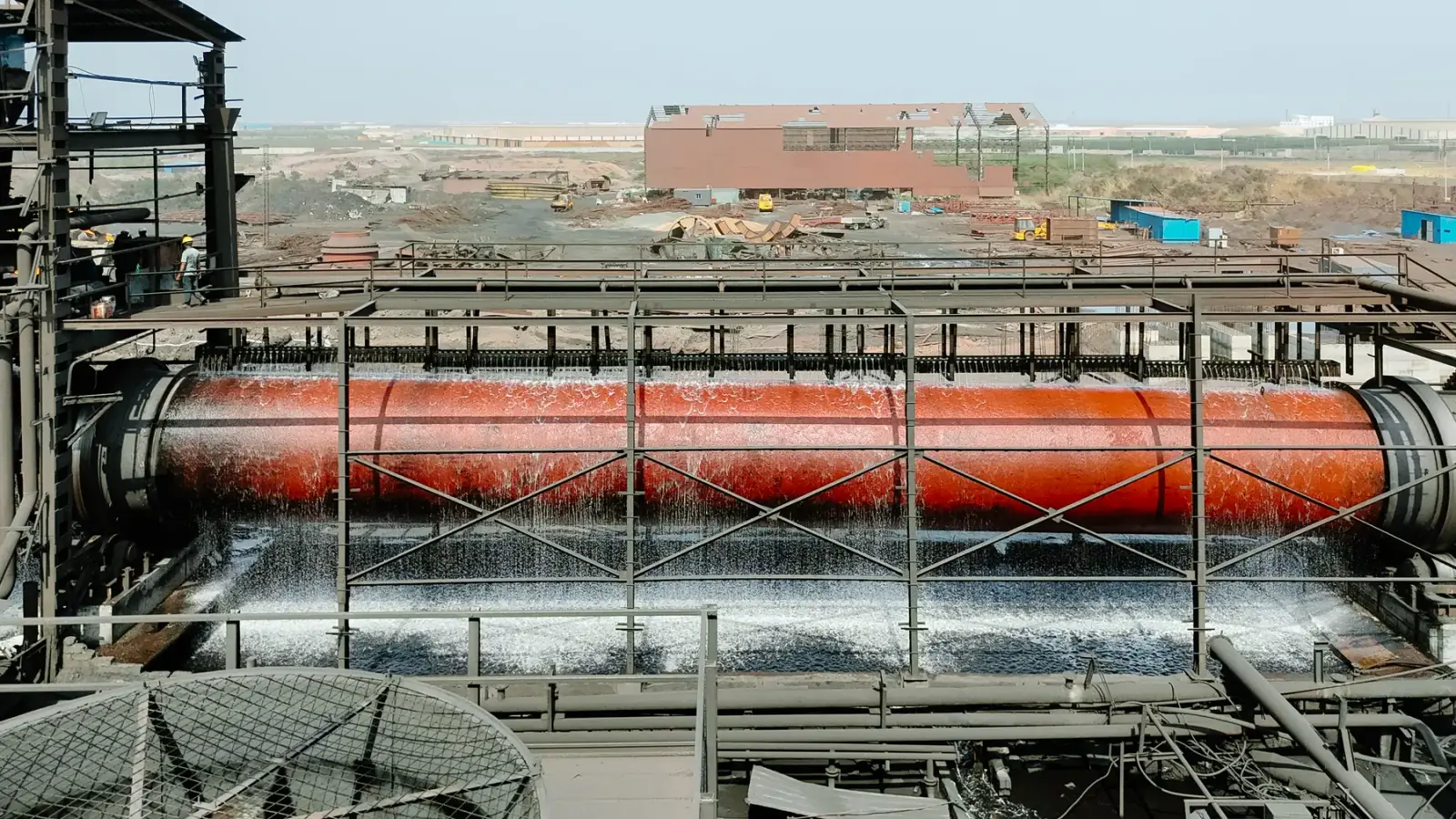
Sponge Iron, also known as Direct Reduced Iron (DRI), is produced by removing oxygen from iron ore in the solid state. The process requires close attention to operating conditions such as temperature, residence time, material quality and the movement of reducing gases through the kiln or reactor.
Consistent monitoring helps operators maintain product specifications and identify process variations. The environmental performance of DRI production depends on factors including the reducing agent, energy source, plant technology and operating efficiency. For this reason, process optimisation and transparent performance measurement are important parts of responsible Sponge Iron manufacturing.
Ferro Chrome: Efficient Alloy Manufacturing
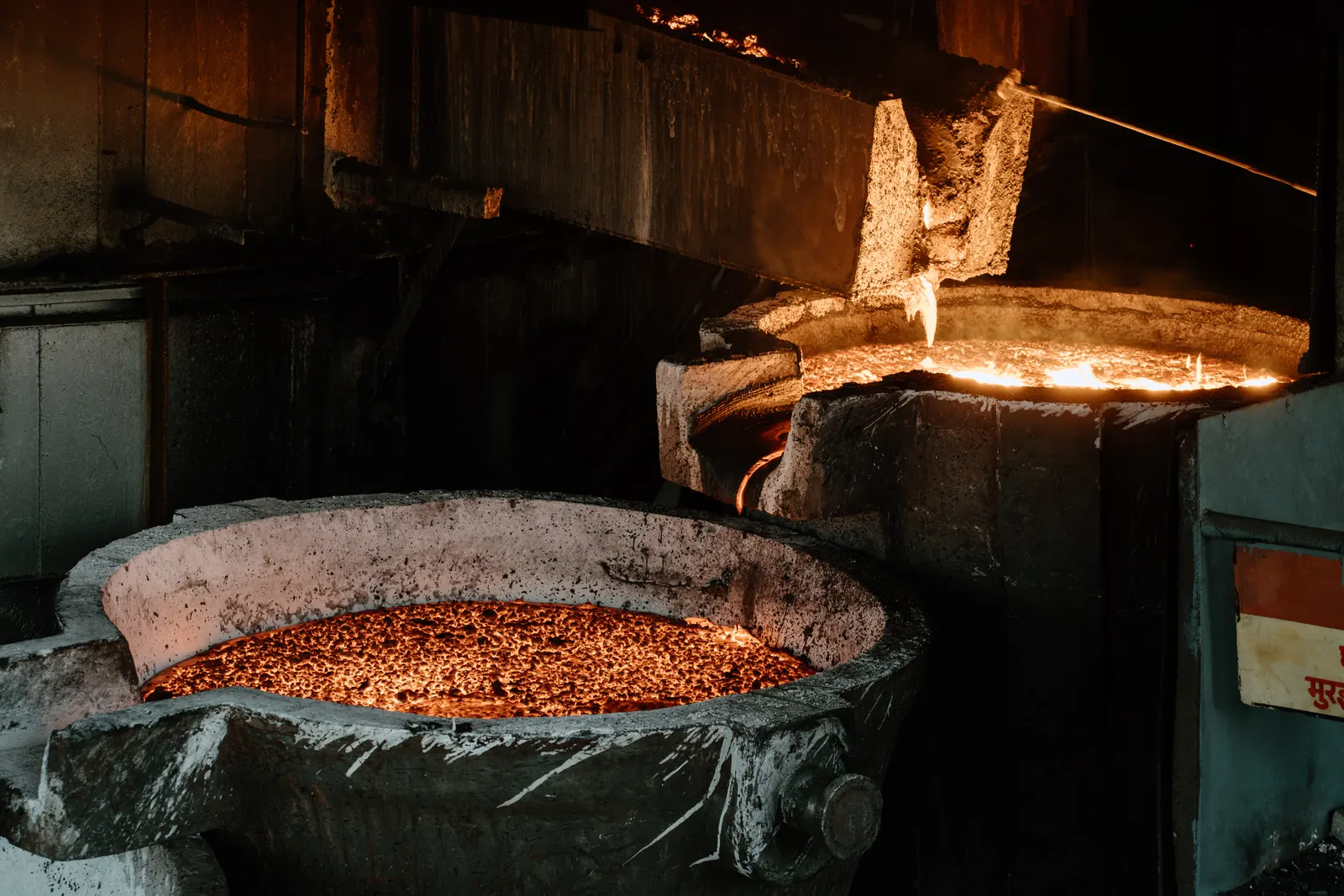
Ferro Chrome is an iron-chromium alloy used to introduce chromium into stainless and other alloy steels. Its production involves energy-intensive smelting, making process stability, charge preparation, furnace operation and product-quality control important areas of attention.
Efficient raw-material use, controlled furnace conditions and appropriate handling of process gases and by-products can contribute to better resource performance. Where suitable recovery and pollution-control systems are installed, they form part of a broader effort to manage energy use and environmental impacts responsibly.
Captive Power: A key part of Energy management
Reliable electricity is essential for industrial manufacturing. Captive Power generation can help a facility manage part of its electricity requirements on-site, support operating continuity and reduce dependence on external supply. Its overall efficiency depends on the technology, fuel, plant design and operating practices.
Waste heat recovery is another approach used in some industrial facilities. It captures usable heat from a process and can convert it into steam or electricity instead of allowing that energy to go unused. When technically and economically suitable, recovery systems can support more effective energy utilisation.
Why an Integrated Manufacturing approach matters
The strongest efficiency improvements often come from considering connected operations together rather than treating each process in isolation. Raw-material planning influences production stability; production processes influence energy demand; and energy systems affect the reliability and cost of plant operations.
- Iron Ore Pellets: provide an important iron-bearing feedstock for ironmaking and DRI production.
- Sponge Iron: supplies a metallic input for suitable steelmaking processes.
- Ferro Chrome: provides chromium for stainless and other alloy steel applications.
- Captive Power: supports industrial energy planning and plant operations.
Coordinating these areas can help manufacturers focus on material efficiency, process consistency and energy management across the wider production chain.
SAL Steel's role in Modern manufacturing
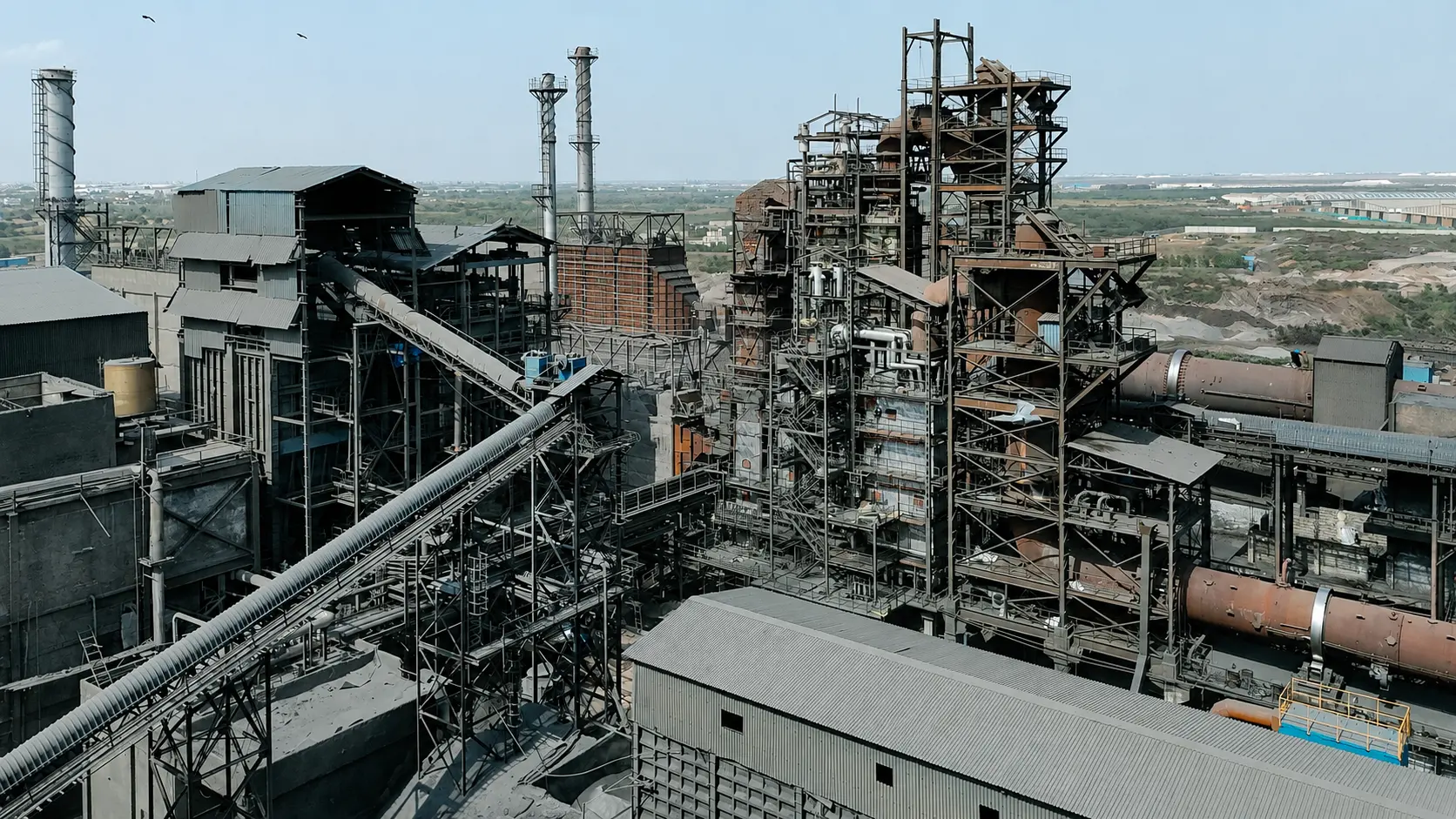
SAL Steel Limited, based in Gandhidham, Gujarat, operates across four key product segments: Iron Ore Pellets, Sponge Iron (Direct Reduced Iron), Ferro Chrome and Captive Power. Each has a distinct role in the industrial supply chain, from iron-bearing raw materials and metallic inputs to alloy production and energy generation.
As manufacturing expectations continue to evolve, efficiency, process discipline and responsible resource management remain important priorities for the metals industry. Understanding how each product segment fits into this wider value chain helps customers and industry stakeholders make more informed decisions.
Cleaner manufacturing is built through continuous improvement: better process control, effective resource use and dependable operations.
Explore SAL Steel
Discuss Your Requirements