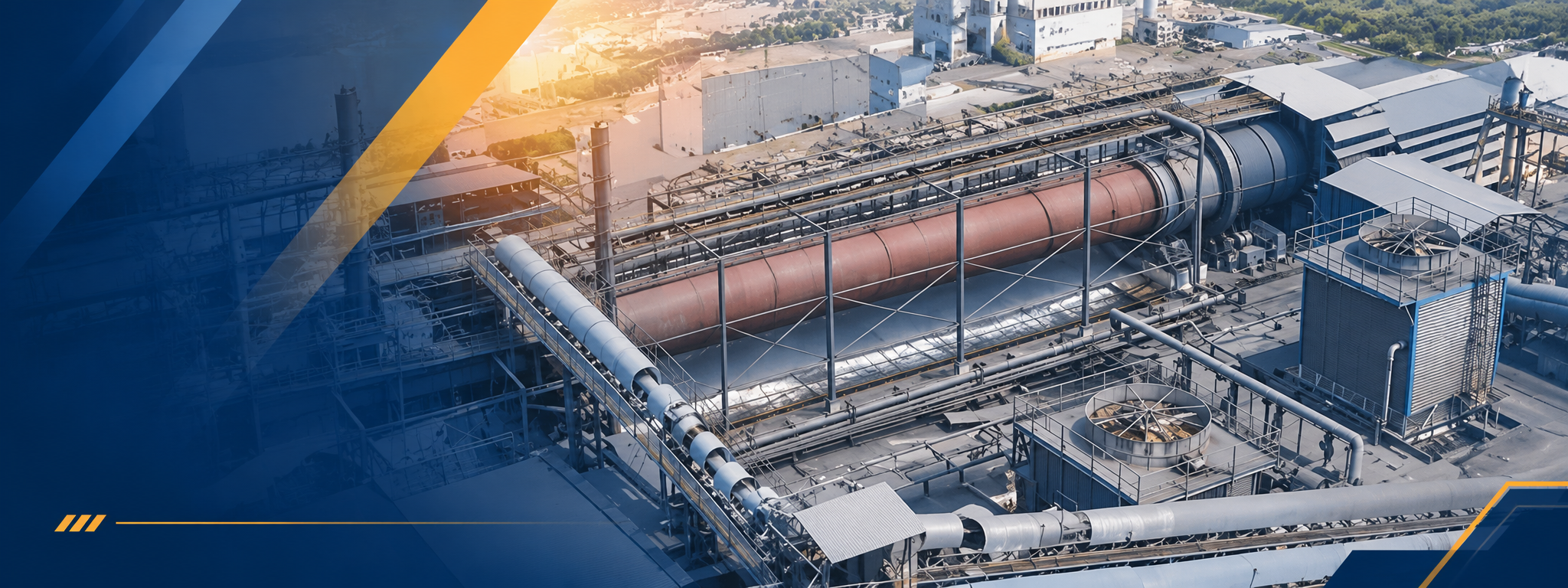
Rotary kiln performance depends on more than temperature and fuel settings. The quality of the iron ore pellets entering the process also matters. Consistent pellets can help maintain steady feed conditions, support predictable reduction and make day-to-day process control easier for sponge iron producers.
For manufacturers producing direct reduced iron (DRI), pellet quality is an important part of the raw-material plan. Iron content, gangue levels, size distribution and physical strength can all influence how the material behaves during handling and inside the kiln. The exact result depends on the full operating conditions, not on one pellet specification alone.
What makes a high-quality iron ore pellet?
Iron ore pellets are formed from processed iron ore fines and hardened so they can be handled and used as a feed material. For rotary kiln applications, useful quality indicators include iron content, silica and alumina levels, compressive strength, size consistency and resistance to generating excessive fines.
Higher iron content can mean more iron units per tonne of feed, while lower gangue levels can reduce the amount of unwanted material carried through the process. A consistent size range helps create more uniform bed conditions. Buyers should use the supplier’s current technical specification and their own plant trials to confirm which limits suit their kiln.
How a rotary kiln uses pellets
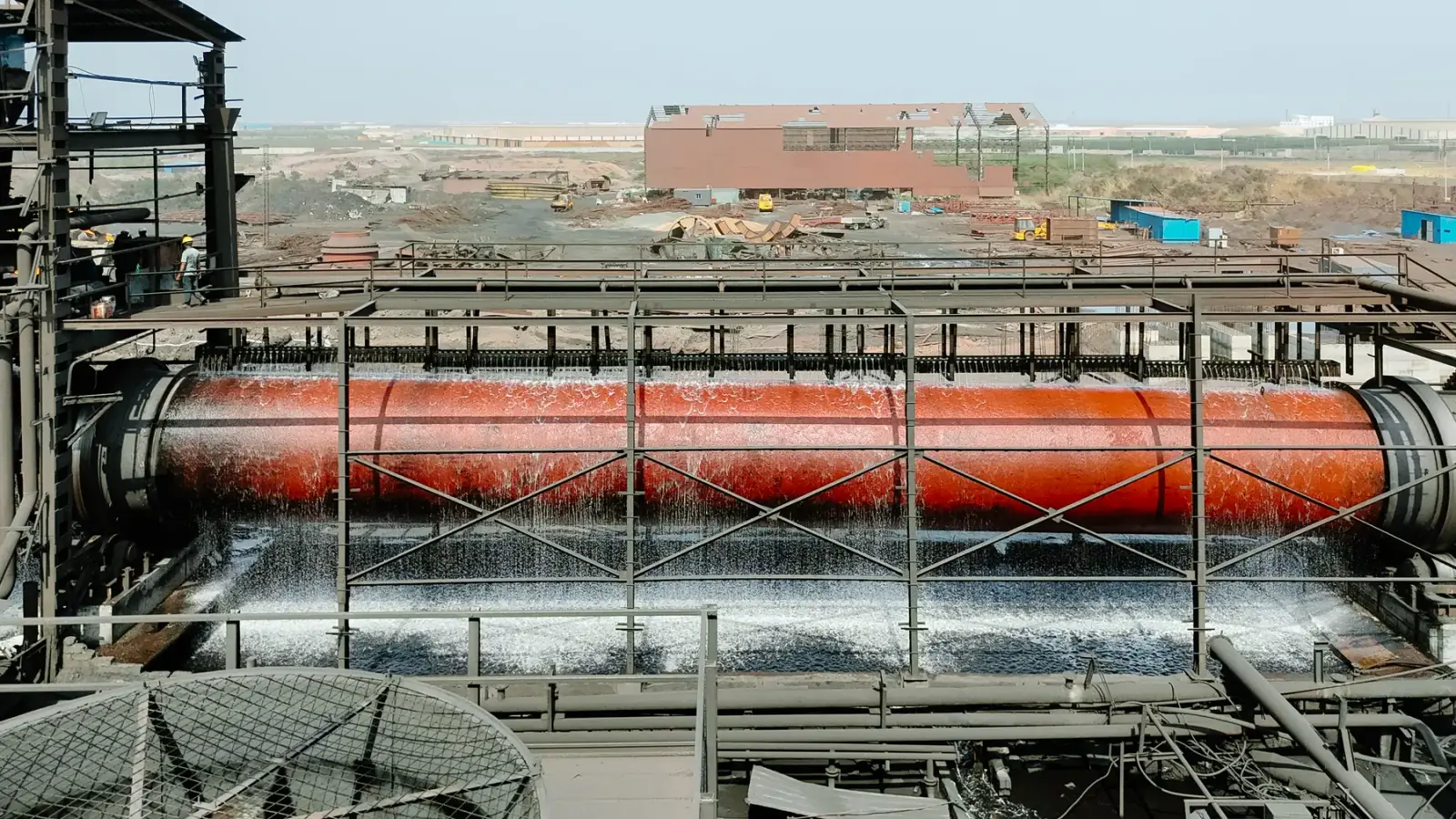
In coal-based direct reduction, iron ore pellets move through a rotating kiln alongside coal and other process materials. At elevated temperatures, reducing gases—particularly carbon monoxide—remove oxygen from the iron oxides. The result is sponge iron, also known as direct reduced iron, which can be used as a metallic charge in suitable steelmaking processes.
Pellet characteristics affect how the feed moves, heats and reacts. Variations in size or strength may change the amount of fines generated and can make operating conditions less uniform. Stable feed quality gives operators a better starting point for maintaining their established process settings.
Supporting reduction and product consistency
Consistent iron content and reducibility can help operators manage the reduction process more predictably. Lower levels of gangue also mean less non-iron material enters with each tonne of feed. However, final DRI metallisation and chemistry also depend on factors such as coal quality, temperature profile, residence time, air flow and kiln control.
The practical objective is not simply to purchase the highest headline Fe percentage. It is to select pellets whose chemistry and physical properties work reliably with the plant’s operating conditions and the required sponge iron specification.
Kiln stability, fines and accretions
Pellets that break down during handling or heating can increase fines in the kiln bed. Excessive fines may affect material movement and gas flow, and can add to dust or carry-over. Feed chemistry can also influence the formation of low-melting compounds that contribute to accretion or ring formation under certain operating conditions.
Good pellet strength and controlled gangue chemistry can help reduce some of these risks, but they cannot eliminate kiln rings on their own. Coal ash, operating temperature, bed profile and process discipline are also important. Routine monitoring and a balanced raw-material mix remain essential.
Fuel use and operational efficiency
When feed size and chemistry are consistent, operators can make process adjustments based on more predictable conditions. This may support efficient heat use, stable throughput and fewer interruptions caused by feed variability. The scale of any fuel saving or productivity improvement will vary by plant, so it should be measured against operating data rather than assumed from pellet grade alone.
For a DRI plant, the most useful comparison includes specific coal consumption, production rate, metallisation, fines generation, downtime and product chemistry over a representative operating period. Evaluating these measures together gives a more reliable picture than looking at a single result.
What buyers should check when sourcing pellets
Steel and sponge iron producers can make pellet procurement more effective by checking a few key points before placing an order:
- Chemical composition: confirm Fe content and agreed limits for silica, alumina, phosphorus and sulphur.
- Physical quality: review size distribution, compressive strength and handling-related fines.
- Process suitability: compare the specification with the kiln design, feed blend and target DRI quality.
- Consistency and documentation: request current test certificates and monitor variation between deliveries.
- Plant performance: validate results through controlled trials and production data.
SAL Steel and iron ore pellet quality
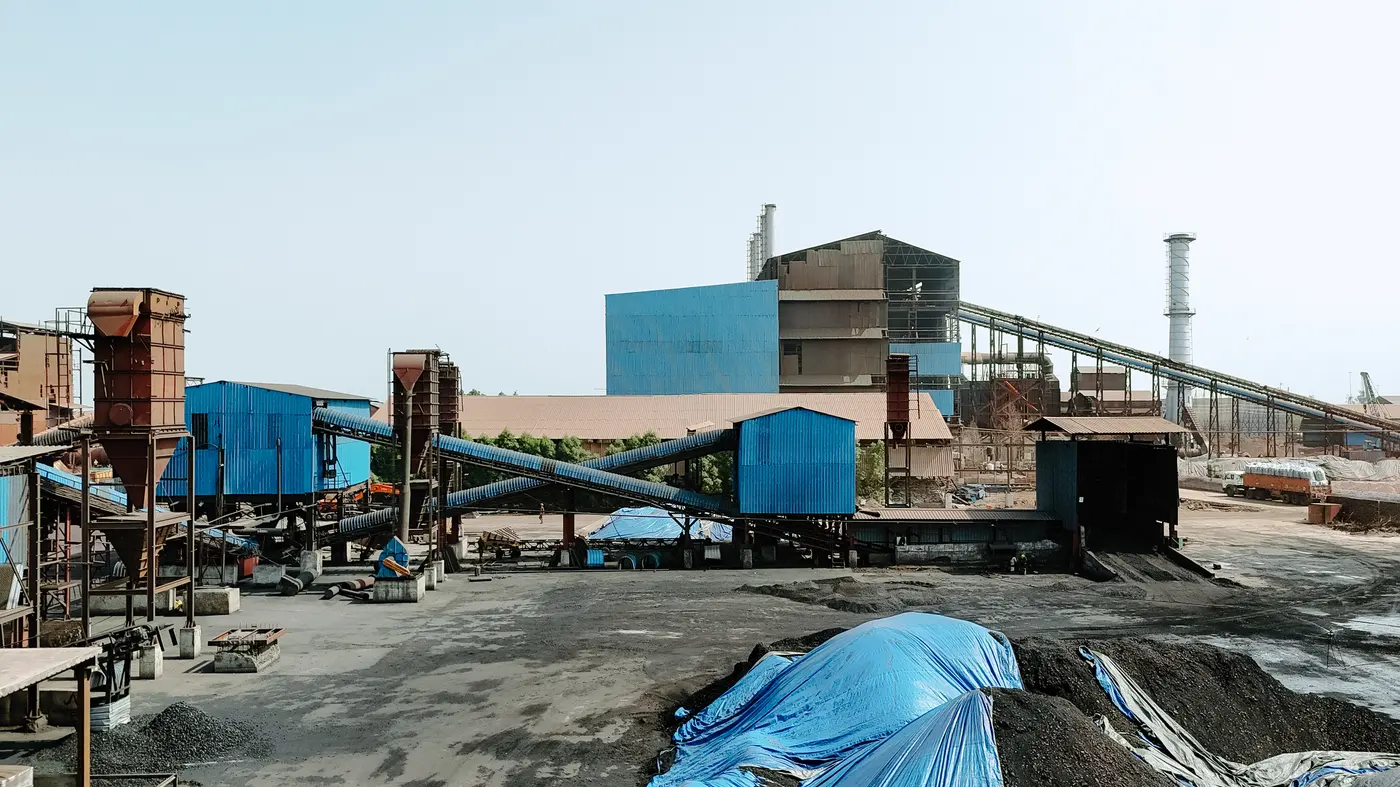
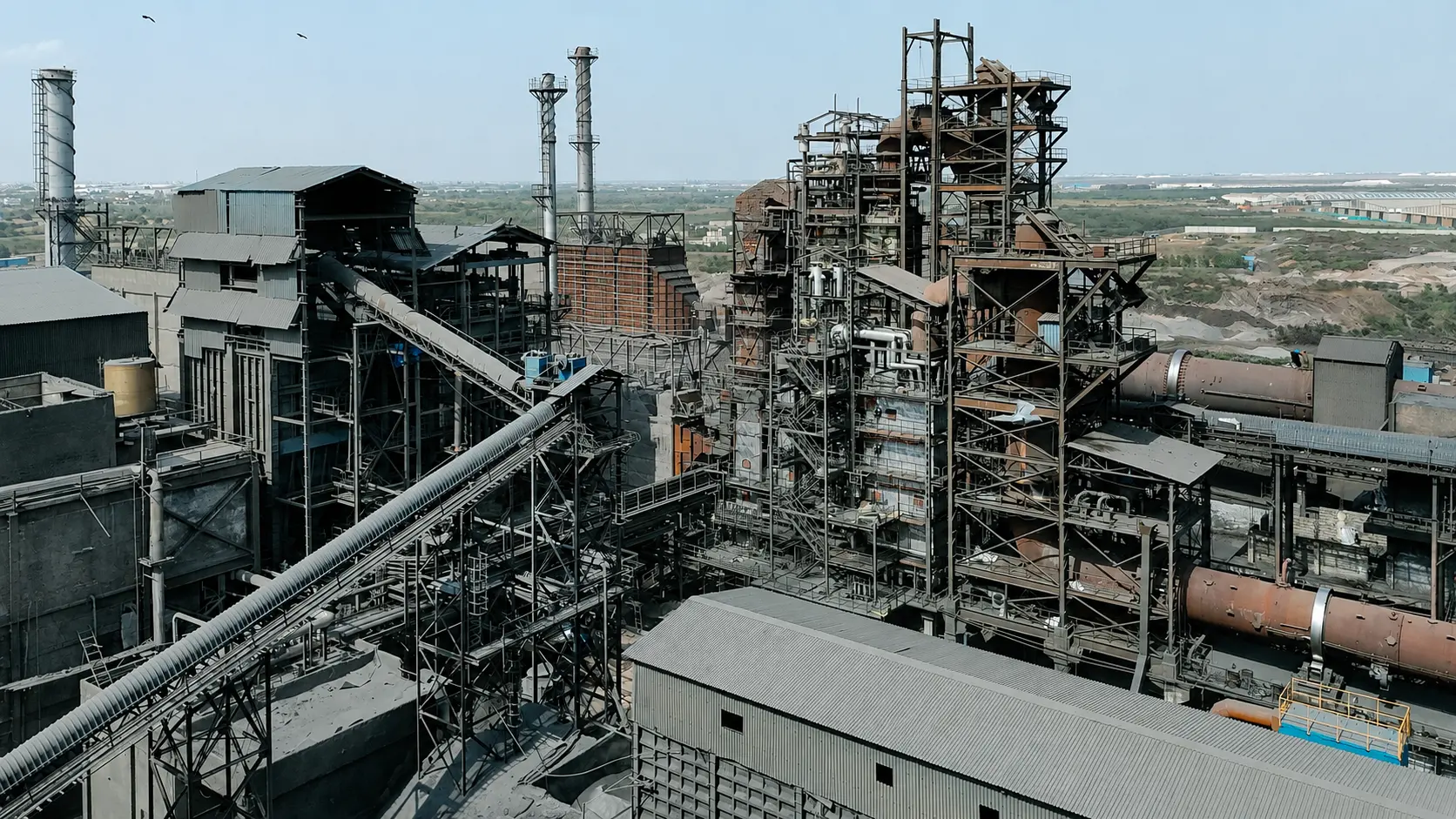
SAL Steel Limited operates an integrated manufacturing facility in Gandhidham, Gujarat, with capabilities across iron ore pellets, sponge iron (DRI), High Carbon Ferro Chrome and captive power. These connected operations make raw-material quality and process coordination important parts of the company’s manufacturing approach.
For customers evaluating iron ore pellets, the right specification depends on the intended application and operating conditions. Contact SAL Steel to discuss product details, current specifications and supply requirements before making a procurement decision.
Better kiln performance starts with suitable raw materials, consistent process control and decisions guided by plant data.
Explore SAL Steel
Discuss Pellet Requirements