Every dependable steel product begins well before the final stage of manufacturing. It starts with raw materials, process discipline and the systems that keep production consistent. At SAL Steel, integrated manufacturing connects iron ore pellets, sponge iron, ferro chrome and captive power within one industrial ecosystem.
This connected model helps the company coordinate material flow, process planning and energy use across key production stages. Rather than treating each operation as isolated, integration creates opportunities for stronger input control, operational consistency and dependable supply.
What integrated steel manufacturing means
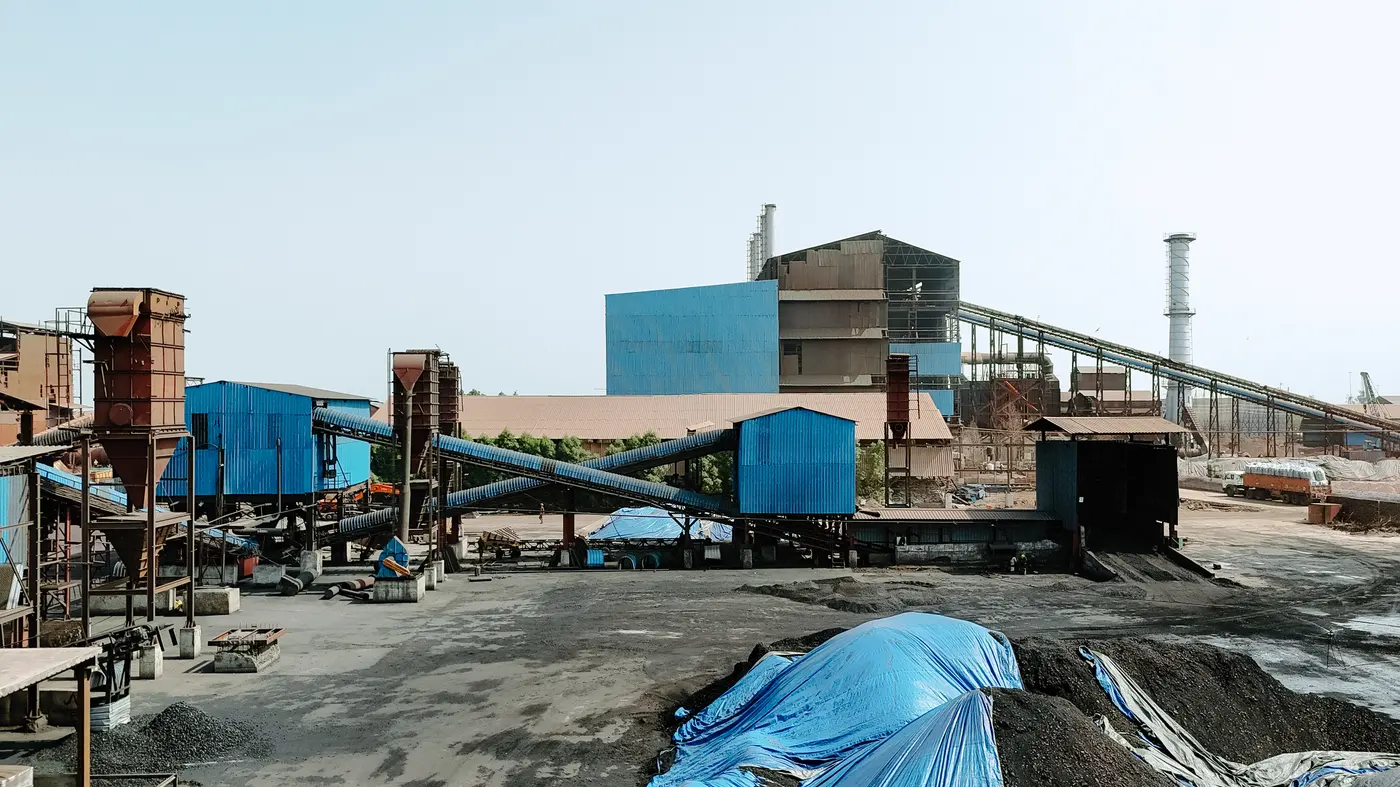
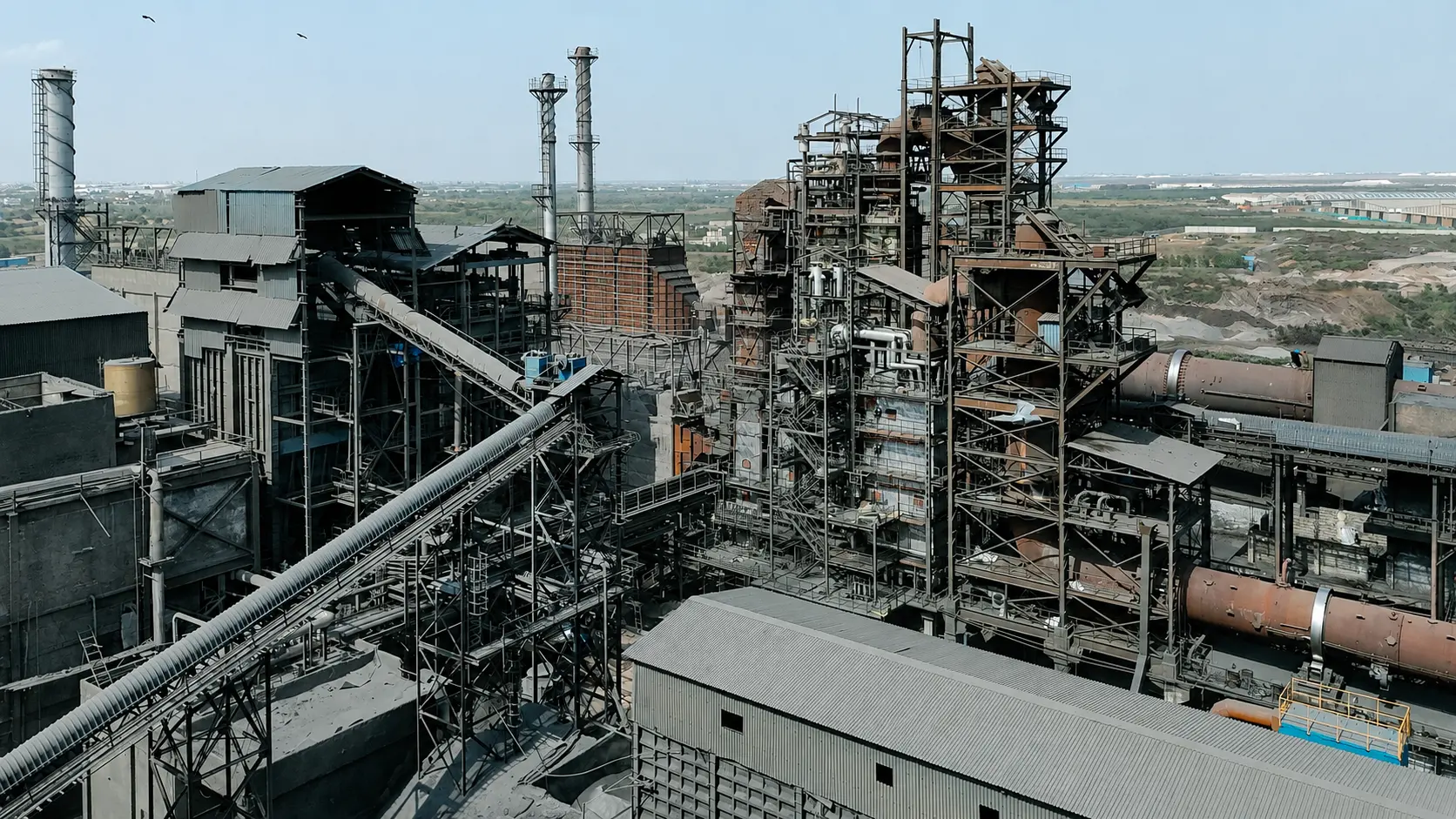
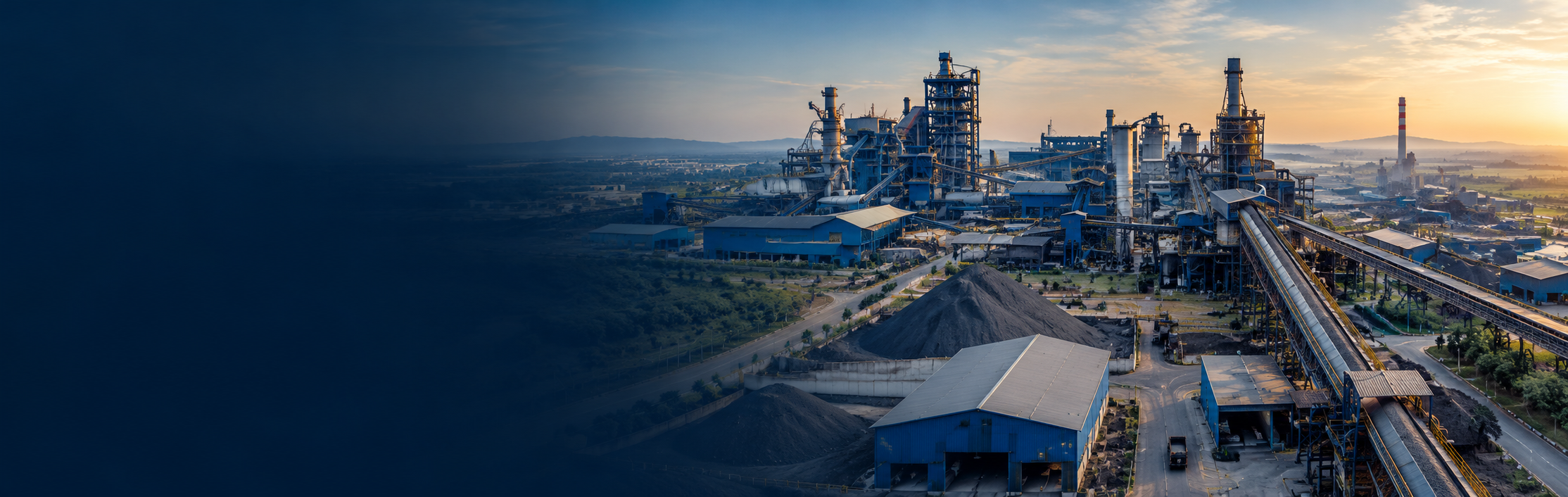
Integrated steel manufacturing links related production activities so materials and resources can move through a coordinated process. At SAL Steel’s Gandhidham facility in Gujarat, the manufacturing ecosystem spans iron ore pelletisation, direct reduced iron (DRI) production, ferro alloy smelting and captive power generation.
The value of integration lies in how these operations support one another. Control over upstream inputs can help improve consistency in downstream processes, while coordinated energy and material planning supports efficient plant operations. Integration does not remove every supply-chain challenge, but it gives manufacturers more ways to manage variability.
Iron ore pellets: the starting point
Iron ore pellets are an important iron-bearing feedstock for direct reduction and other ironmaking processes. Their size, strength and chemical composition influence burden movement and reduction performance in a rotary kiln. Consistent pellet quality therefore matters to producers seeking predictable kiln operation.
SAL Steel manufactures iron ore pellets for captive DRI consumption and external supply. Using pellets within its own production route also connects the pellet plant to the downstream sponge iron operation, helping coordinate an important part of its raw-material chain.
Sponge iron: turning ore into metallic input
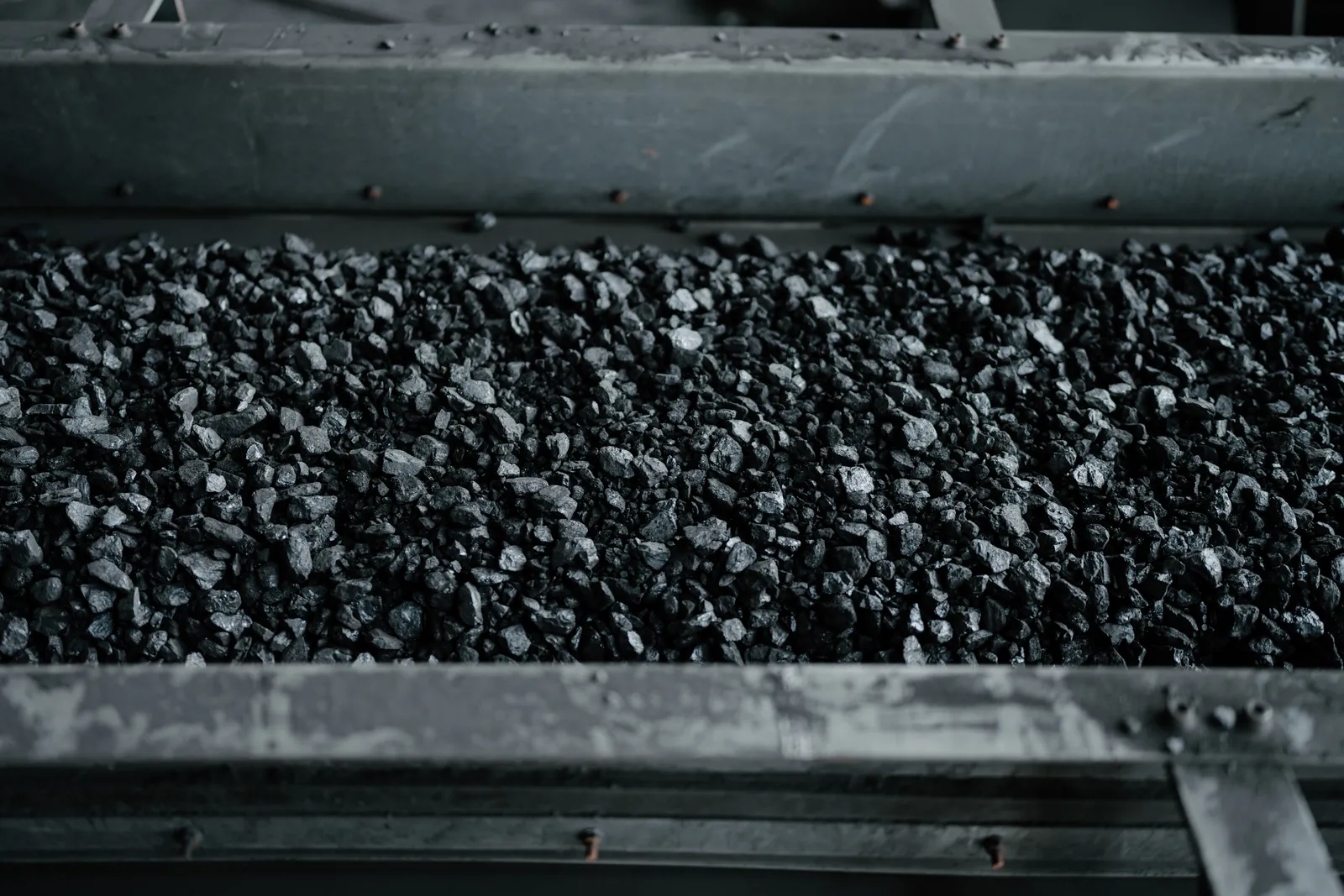
Sponge iron, also known as Direct Reduced Iron (DRI), is produced by removing oxygen from iron ore in the solid state. It is used as a metallic input in steelmaking and can be charged in induction furnaces and electric arc furnaces, depending on the melt shop’s process and requirements.
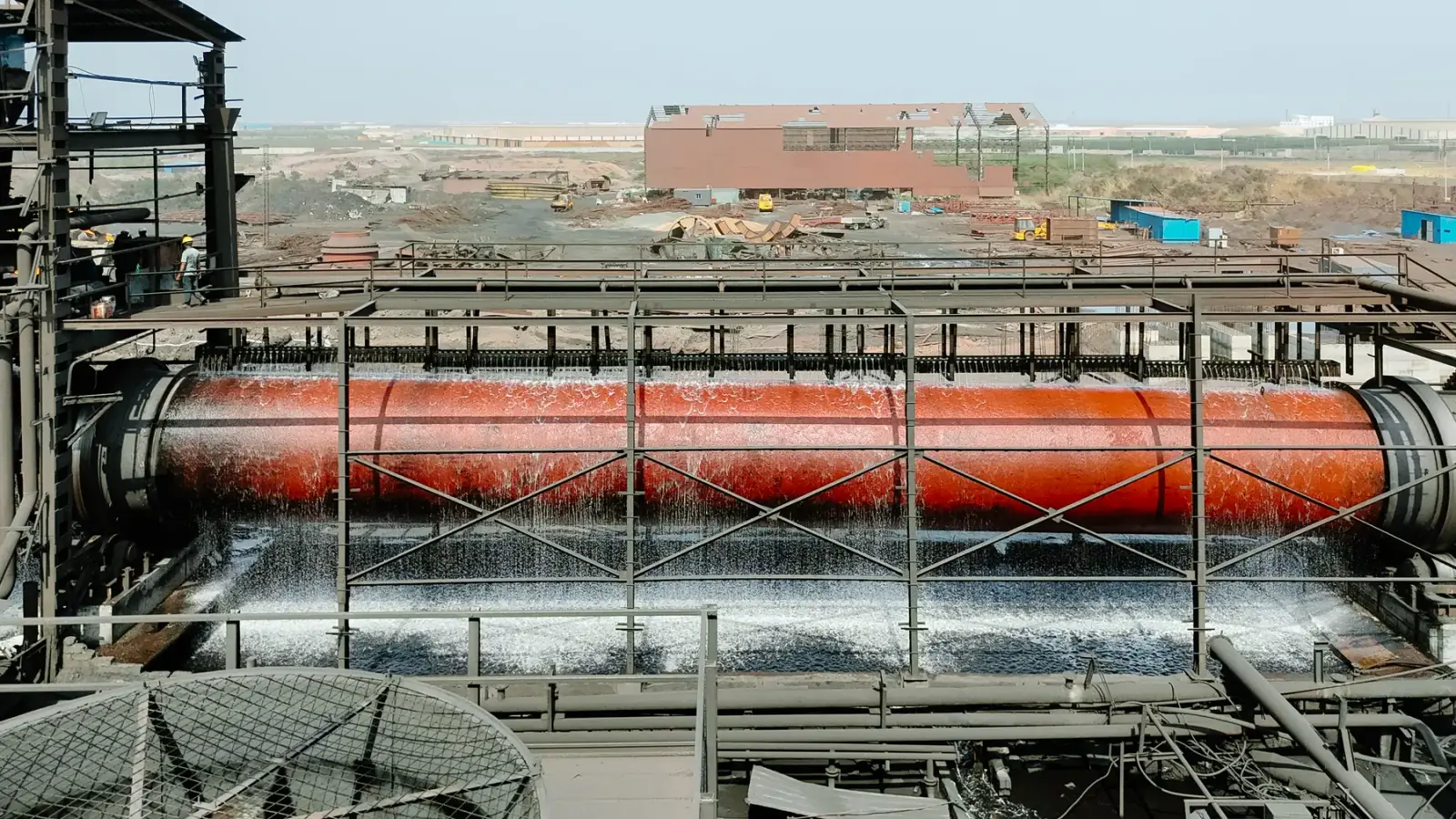
SAL Steel produces coal-based sponge iron using rotary-kiln technology, with captive pellet feed supporting its integrated production route. Consistent feed preparation, process control, screening and quality checks contribute to delivering material suited to downstream steelmaking applications.
Ferro chrome: adding alloy value
Ferro chrome is a chromium-bearing ferroalloy used in stainless steel, alloy steel and selected foundry applications. Chromium contributes to properties such as corrosion resistance, hardness and wear resistance, making ferro chrome an important input for manufacturers producing steels for demanding environments.
SAL Steel manufactures High Carbon Ferro Chrome in Low Silicon and Normal Silicon grades using submerged arc furnace infrastructure at its Gandhidham facility. Offering distinct grades allows customers to select material according to their chemistry requirements and refining practice. Final grade chemistry should always be confirmed against the approved product specification.
Captive power and energy recovery
Reliable electricity is essential in energy-intensive manufacturing. Captive power gives an industrial facility an internal source of electricity and can reduce exposure to grid interruptions and changes in external power costs.
SAL Steel’s captive power ecosystem includes waste heat recovery from DRI kiln exhaust and boiler systems that convert heat and suitable fuels into steam for power generation. Recovering usable energy from process streams supports the integrated operating model and makes productive use of energy that might otherwise be lost.
Why integration matters to customers
For industrial buyers, dependable supply is about more than the availability of a single product. It also depends on process coordination, quality consistency, logistics and the manufacturer’s ability to plan production against customer requirements. An integrated setup can support these priorities by connecting upstream materials, downstream processing and energy systems.
- Greater input visibility: linked production stages help coordinate material requirements and process planning.
- Product consistency: disciplined raw-material handling and process control support repeatable manufacturing outcomes.
- Operational resilience: captive power and energy recovery add another layer of support for plant operations.
- Connected capabilities: pellets, DRI and ferro chrome serve different points in the wider iron and steel value chain.
Integration is not a substitute for product testing, approved specifications or customer-specific process requirements. Buyers should review grade chemistry, size, quality documentation, dispatch terms and current availability before placing an order.
SAL Steel’s integrated manufacturing model
SAL Steel Limited, established in 2003, operates from Gandhidham in Kutch, Gujarat. Its manufacturing capabilities span iron ore pellets, sponge iron, High Carbon Ferro Chrome and captive power. The facility’s access to port, road and rail networks also supports the movement of raw materials and finished products.
By connecting these capabilities within one manufacturing ecosystem, SAL Steel focuses on process efficiency, product consistency and dependable supply for customers across the steel chain. For product-specific chemistry, sizes, commercial terms and current supply options, buyers should contact the company directly.
Strong manufacturing begins with strong foundations: controlled inputs, connected processes and a clear focus on consistent output.
Explore SAL Steel
Discuss Your Requirements