In steel manufacturing, consistency is built long before the furnace is charged. It begins with dependable raw materials, controlled process conditions and a clear understanding of how each input affects the finished product. One important metallic input in this equation is Direct Reduced Iron (DRI), commonly known as sponge iron.
For steelmakers, a consistent DRI supply can help make charge planning more predictable, support tighter control of input chemistry and reduce uncertainty in day-to-day operations. At SAL Steel, DRI is part of a broader integrated manufacturing approach in which raw-material quality and process discipline are considered together.
What Direct Reduced Iron is, in simple terms
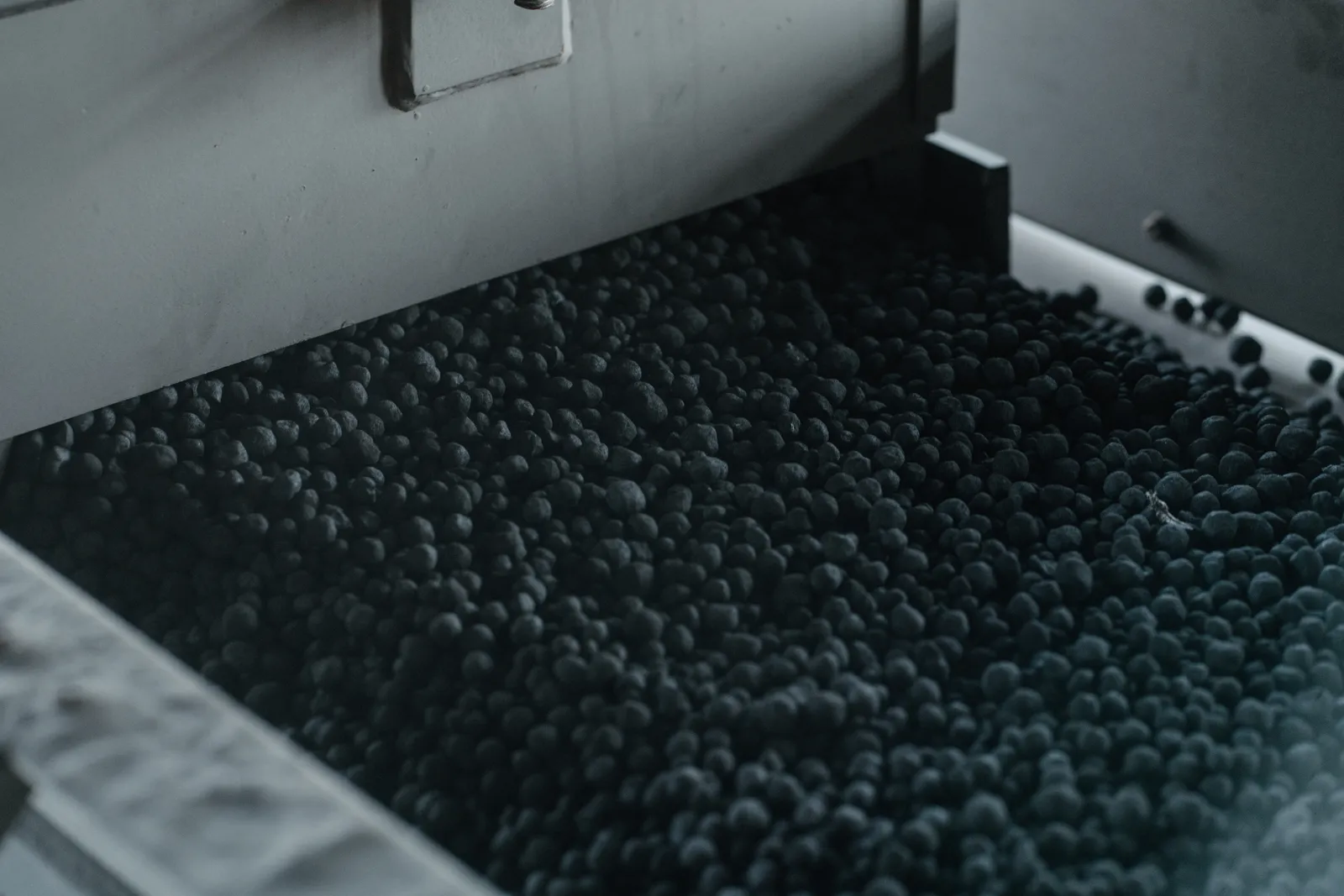
Direct Reduced Iron is produced by removing oxygen from iron ore in the solid state. Unlike the blast furnace route, the iron ore is not melted during this reduction stage. A reducing agent typically natural-gas-based reducing gas or a coal-derived reducing medium, depending on the production technology removes oxygen from the iron oxide and leaves a porous metallic product known as sponge iron.
DRI can be produced through different process routes, including gas-based shaft furnaces and coal-based rotary kilns. The resulting material is used as a metallic feedstock in electric arc furnaces (EAFs) and induction furnaces, either on its own in suitable operations or blended with other metallic inputs such as steel scrap and pig iron.
The important point is that DRI quality is not defined by its name alone. Its suitability for a particular steelmaking operation depends on factors such as iron content, degree of metallisation, carbon, gangue, sulphur, phosphorus, physical size and the proportion of fines. Consistent production and quality checks help keep these properties within the intended operating range.
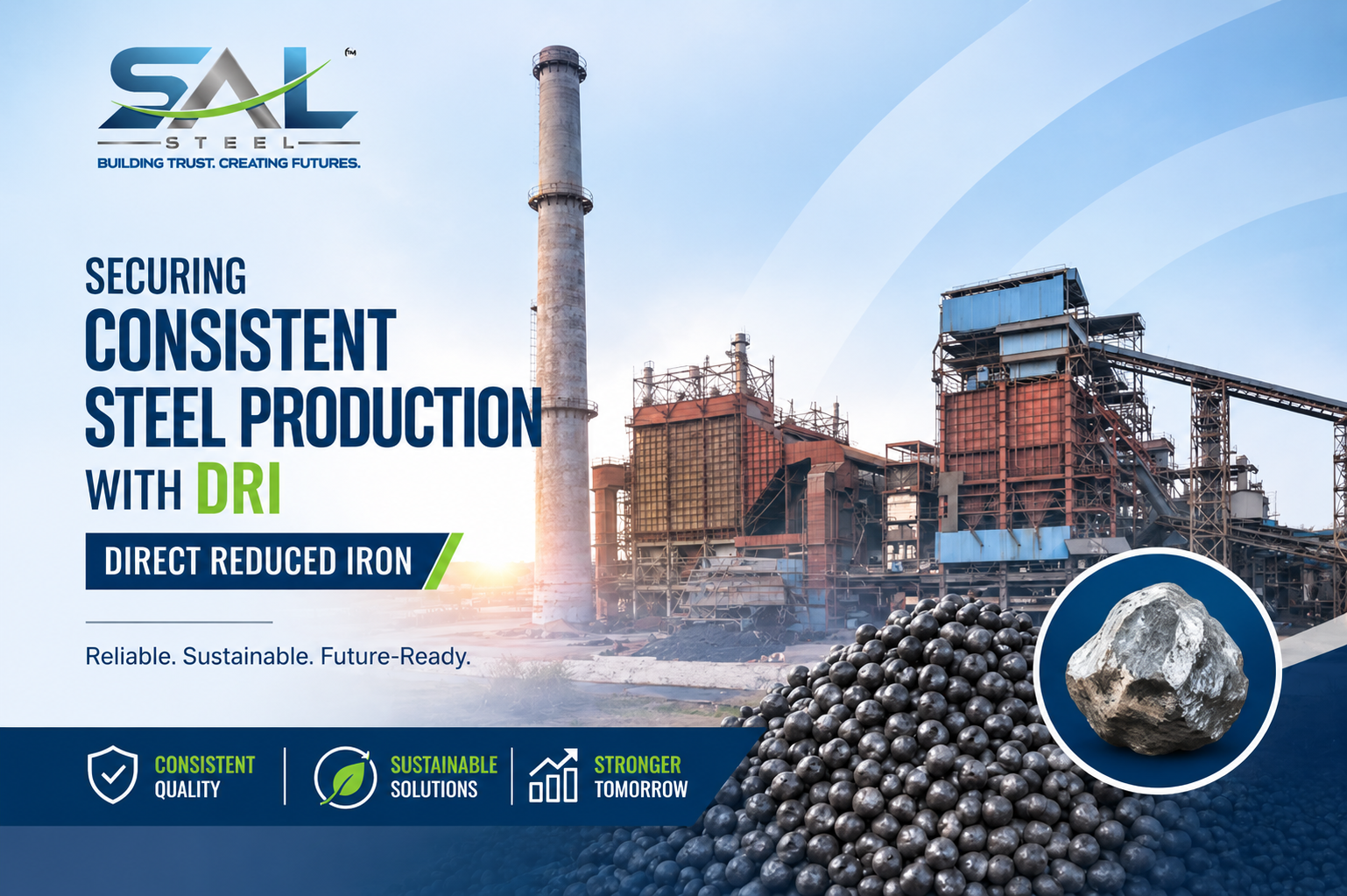
Why raw-material consistency matters in steel production
Every heat begins with a charge mix. When the quality and chemistry of the metallic inputs change significantly from one batch to the next, operators may need to adjust the process to maintain the required steel composition and performance. This can make production planning more demanding, particularly in high-volume operations where repeatability is important.
A controlled DRI supply gives the melt shop a more clearly characterised iron unit to work with. When its chemistry and physical properties are monitored consistently, the steelmaker can develop charge practices around known material characteristics rather than relying on assumptions. The benefits can include:
- More predictable charge planning. Consistent DRI quality helps operators plan the metallic mix and anticipate how the charge is likely to behave during melting.
- Better control of input chemistry. Regular checks on iron content, metallisation, carbon and residual elements support informed adjustments to the charge mix.
- More disciplined quality control. Stable incoming material makes it easier to identify process variation and investigate deviations instead of treating every heat as a new starting point.
- Improved production planning. Reliable material characteristics can support more consistent operating routines, inventory planning and coordination between raw-material handling and the melt shop.
DRI does not guarantee a particular furnace cycle time or finished-steel property. Those outcomes also depend on furnace design, operating practice, energy input, charge composition and downstream process control. Its value is in giving the steelmaker a measurable and controllable metallic input within that wider production system.
DRI and steel scrap: complementary metallic inputs
Steel scrap is an essential resource for the industry. Recycling steel helps keep material in productive use, and scrap remains a major part of the metallic charge in many steelmaking operations. However, scrap chemistry can vary according to grade, source, previous use, sorting and preparation. Different scrap streams may also carry different levels of residual elements.
DRI offers a complementary source of iron units. Because it is made from iron ore through a controlled reduction process, its composition can be specified and monitored in a way that helps steelmakers manage the overall chemistry of a charge. It can be particularly useful when a producer wants to manage residual elements in a scrap-based metallic mix, subject to the quality of the DRI itself.
The objective is not to choose DRI over scrap in every situation. It is to build the right metallic charge mix for the required steel grade, furnace route, operating conditions and commercial priorities.
The appropriate balance of DRI, scrap and other metallics depends on the steel specification, availability and price of raw materials, furnace technology, energy costs and the required output. A well-planned mix uses the strengths of each input while accounting for its limitations.
How DRI can strengthen raw-material supply security
The availability and delivered cost of steel scrap can be influenced by collection networks, regional demand, trade flows, transport constraints and market cycles. A steelmaker that relies heavily on one external source of metallic input may therefore face changes in price or availability that complicate production planning.
DRI can provide another route to securing iron units. Where a producer has captive DRI capacity, dependable long-term supply arrangements or access to reliable iron ore and reducing agents, it may be better positioned to plan a portion of its metallic requirements in advance. Integration between iron ore processing, DRI production and downstream operations can also improve visibility across the raw-material chain.
This is not complete protection from market disruption. DRI production also depends on the availability and cost of iron ore, reductants, energy, transport and plant capacity. The practical advantage comes from having a more diversified and better-planned raw-material strategy, rather than depending on a single input stream.
DRI in day-to-day plant operations
The contribution of DRI is visible beyond the chemistry laboratory. Reliable sizing, controlled fines generation and planned material movement can support more orderly storage, conveying and furnace charging. When the material specification is understood by procurement, production, quality and handling teams, each stage can work to a shared operating expectation.
Storage and handling nevertheless require care. DRI is porous and can re-oxidise; exposure to moisture and unsuitable storage conditions must be managed through established site procedures. Safe stock management, suitable material handling systems and trained operating teams are important to preserving material quality and protecting personnel.
For plant managers, the objective is a connected operating system: quality checks at receipt, traceable inventory, controlled movement to the furnace and feedback from actual melting performance. These practices help convert a consistent raw material into consistent operating routines.
The integrated approach at SAL Steel
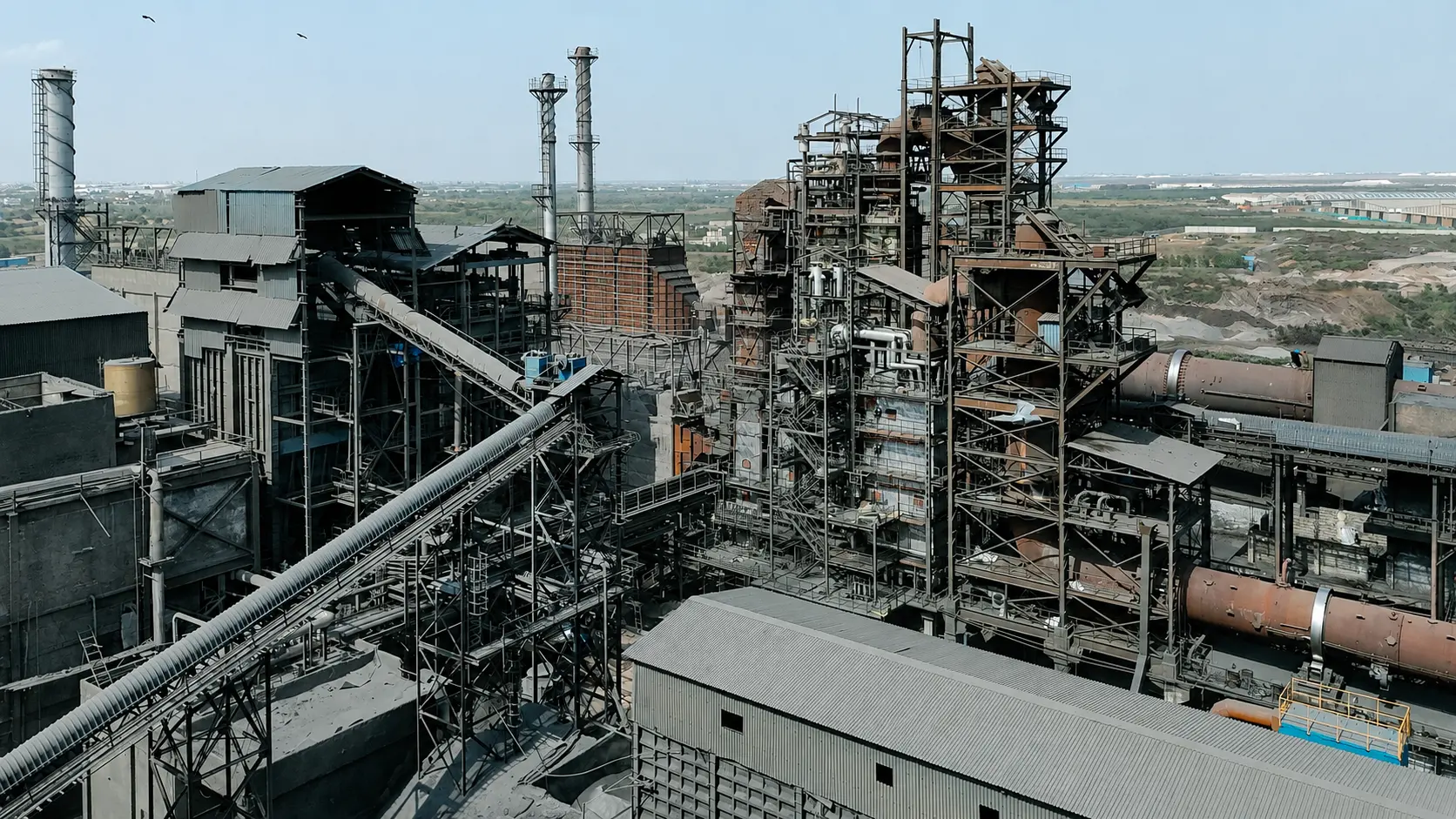
At SAL Steel Limited, the connection between iron ore pellets and sponge iron production is an important part of the company's integrated manufacturing footprint at Gandhidham, Kutch. Bringing these stages into one operating ecosystem creates an opportunity to consider feed quality, reduction performance and process requirements together.
This integrated approach supports a practical focus on raw-material discipline: understanding the characteristics of the feed, monitoring the DRI produced and using operational feedback to inform quality and process control. For customers and industry stakeholders, it reflects the importance SAL Steel places on dependable manufacturing practices and a connected supply chain.
Explore the company's sponge iron (DRI) operations and iron ore pellet offering to learn more about the role of these materials in the integrated production process.
Looking ahead: the next phase of DRI technology
Direct reduction technology continues to develop as the steel industry looks for ways to improve resource and energy efficiency and reduce emissions. Natural-gas-based processes, greater process efficiency and emerging hydrogen-based reduction routes are all part of the industry's transition discussion. The emissions profile of DRI depends on the reducing agent, energy source, plant configuration and the wider supply chain; hydrogen-based production delivers its strongest climate benefit when the hydrogen and electricity are produced with low emissions.
For steelmakers, the long-term relevance of DRI lies in its flexibility as a source of metallic iron and its potential to work with evolving ironmaking technologies. Whatever route is used, consistent feed quality, sound process control and responsible material handling remain fundamental.
Frequently asked questions about DRI
What is the difference between DRI and sponge iron?
Direct Reduced Iron (DRI) is commonly called sponge iron because the reduction process leaves a porous solid iron product. The two terms are generally used interchangeably in this context.
Why is DRI used in steelmaking?
DRI supplies metallic iron to electric arc and induction furnace operations. Its specified chemistry can complement steel scrap and help a producer manage the overall metallic charge mix.
Does using DRI guarantee consistent steel quality?
No single raw material guarantees finished-steel quality. Consistent DRI can support stable charge planning, but the final result also depends on the other inputs, furnace practice, process control and downstream operations.