Steel performance begins long before a finished product reaches the customer. The quality of its inputs, the control of production processes and the consistency of alloy composition all influence the final result. At SAL Steel Limited, Iron Ore Pellets, Sponge Iron (Direct Reduced Iron), Ferro Chrome and Captive Power form four important pillars of its manufacturing portfolio.
Precision and durability are connected through metallurgy and process control. Understanding that connection helps explain why raw-material quality, reliable energy and carefully managed alloy composition matter throughout the steel value chain.
Precision in Steel Manufacturing
Steelmakers work to achieve defined chemical and physical properties for different applications. Maintaining those properties requires control over the metallic charge, alloy additions, temperature and refining conditions. Variations in raw materials can affect process adjustments and the ability to meet a target composition.
Consistent inputs help steel producers plan their operations and manage quality. Product specifications, laboratory testing and process monitoring remain essential at every stage.
Iron Ore Pellets: The Foundation of Quality iron production
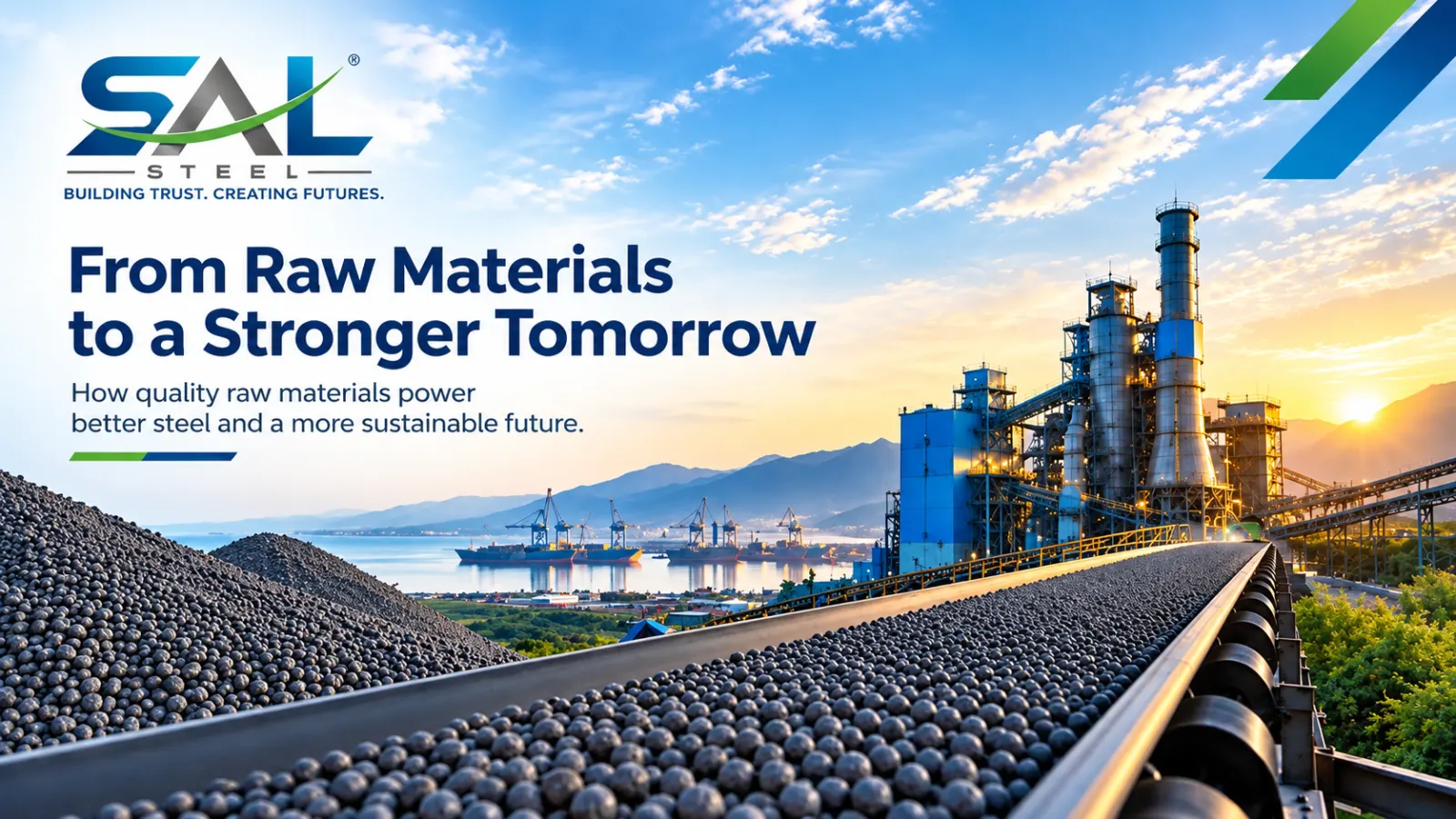
Iron Ore Pellets are agglomerated iron-bearing materials produced by processing fine iron ore into uniform-sized balls. They are an important raw material in ironmaking and are widely used as feedstock in Direct Reduced Iron (DRI) production and other suitable ironmaking processes.
Pellet quality is influenced by factors such as iron content, chemical composition, size distribution, physical strength and reducibility. These characteristics affect how pellets perform during handling, transportation and subsequent reduction processes.
Consistent Iron Ore Pellets help support predictable raw-material feeding and efficient ironmaking operations. Their quality plays an important role in the wider steel production value chain.
Sponge Iron and Direct Reduced Iron (DRI)
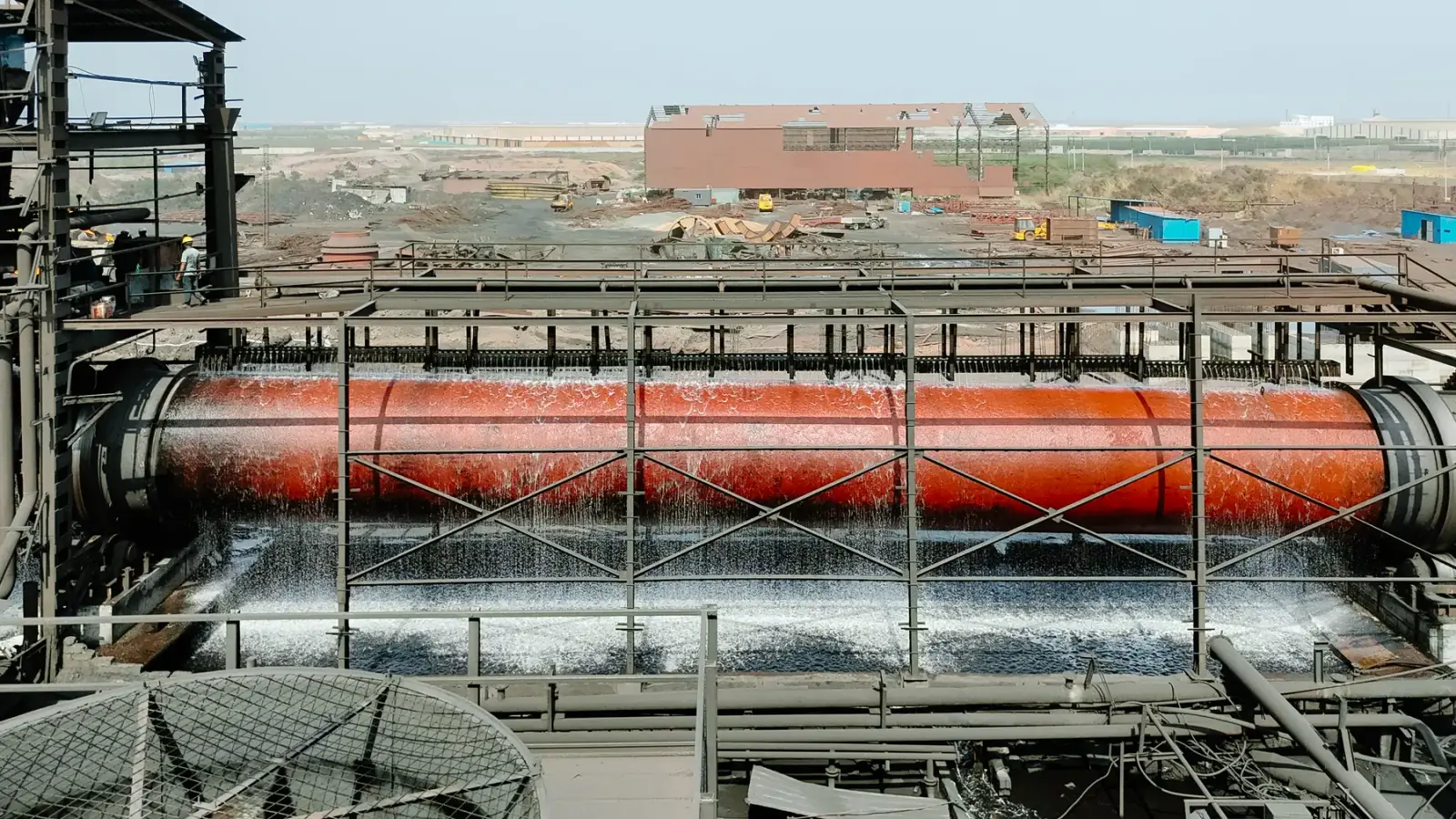
Sponge Iron, also known as Direct Reduced Iron (DRI), is produced by removing oxygen from iron ore in the solid state. This reduction process creates a porous metallic material that can be used as a feedstock in steelmaking, including electric arc and induction furnace operations where suitable.
Metallisation- the proportion of total iron present as metallic iron is an important DRI quality parameter. Chemical composition, metallisation, size distribution and gangue content can all influence how the material performs in a steelmaking furnace. Consistent process monitoring and product testing help buyers assess whether DRI meets their operating and specification requirements.
Ferro Chrome: Supporting Alloy performance
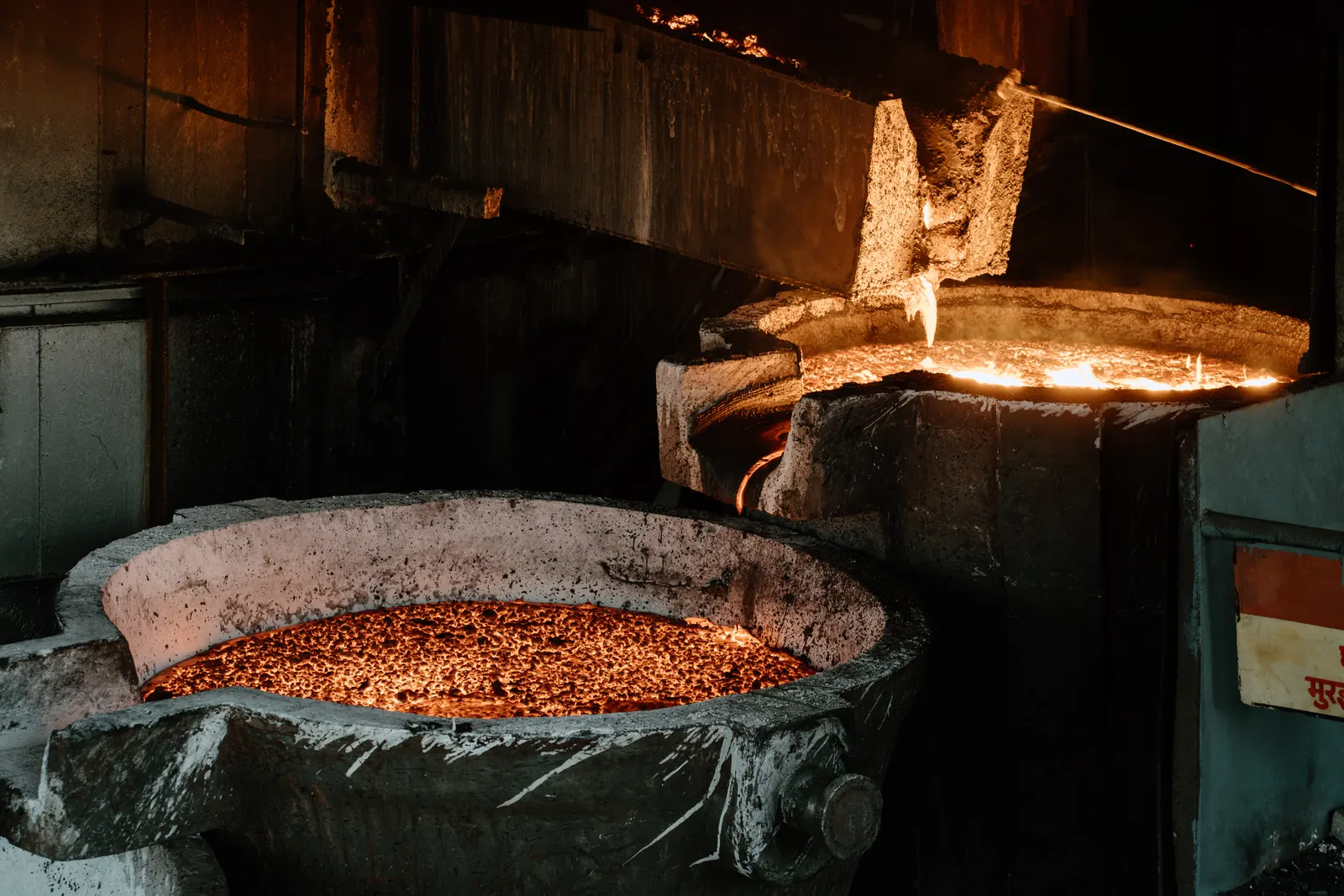
Ferro Chrome is an iron-chromium alloy used to add chromium during steel production. Chromium is particularly important in stainless steel because it supports the formation of a protective oxide layer that improves resistance to corrosion. It can also contribute to hardness, wear resistance and hardenability in suitable steel grades.
Ferro Chrome is produced in different grades to meet varying steelmaking requirements. Chromium and carbon levels, along with elements such as silicon, are important considerations when selecting a grade.
Captive Power and process stability
Steel and ferro alloy manufacturing are energy-intensive activities. A dependable electricity supply supports the operation of plant equipment and helps production teams maintain planned operating conditions. Captive Power generation can provide an additional level of control over the facility’s energy supply and reduce exposure to some external grid disruptions.
Where waste heat recovery systems are used, heat from industrial processes can be recovered to generate steam and support power generation. This approach makes productive use of available process energy and forms part of an integrated energy-management strategy.
The value of an integrated manufacturing approach
Iron Ore Pellets, Sponge Iron, Ferro Chrome and Captive Power serve different functions across the steel value chain. From iron-bearing raw materials and metallic inputs to alloy production and energy systems, each contributes to different stages of industrial manufacturing. Coordinating these operations can support production planning, resource utilisation and a more connected supply chain.
- Raw material quality: Iron Ore Pellets provide an important iron-bearing feedstock for ironmaking and DRI production.
- Metallic inputs: Sponge Iron supports steelmaking operations as a Direct Reduced Iron feedstock.
- Alloy requirements: Ferro Chrome supplies chromium for stainless and other alloy steel applications.
- Energy management: Captive Power and waste heat recovery can support plant operations.
SAL Steel’s product portfolio
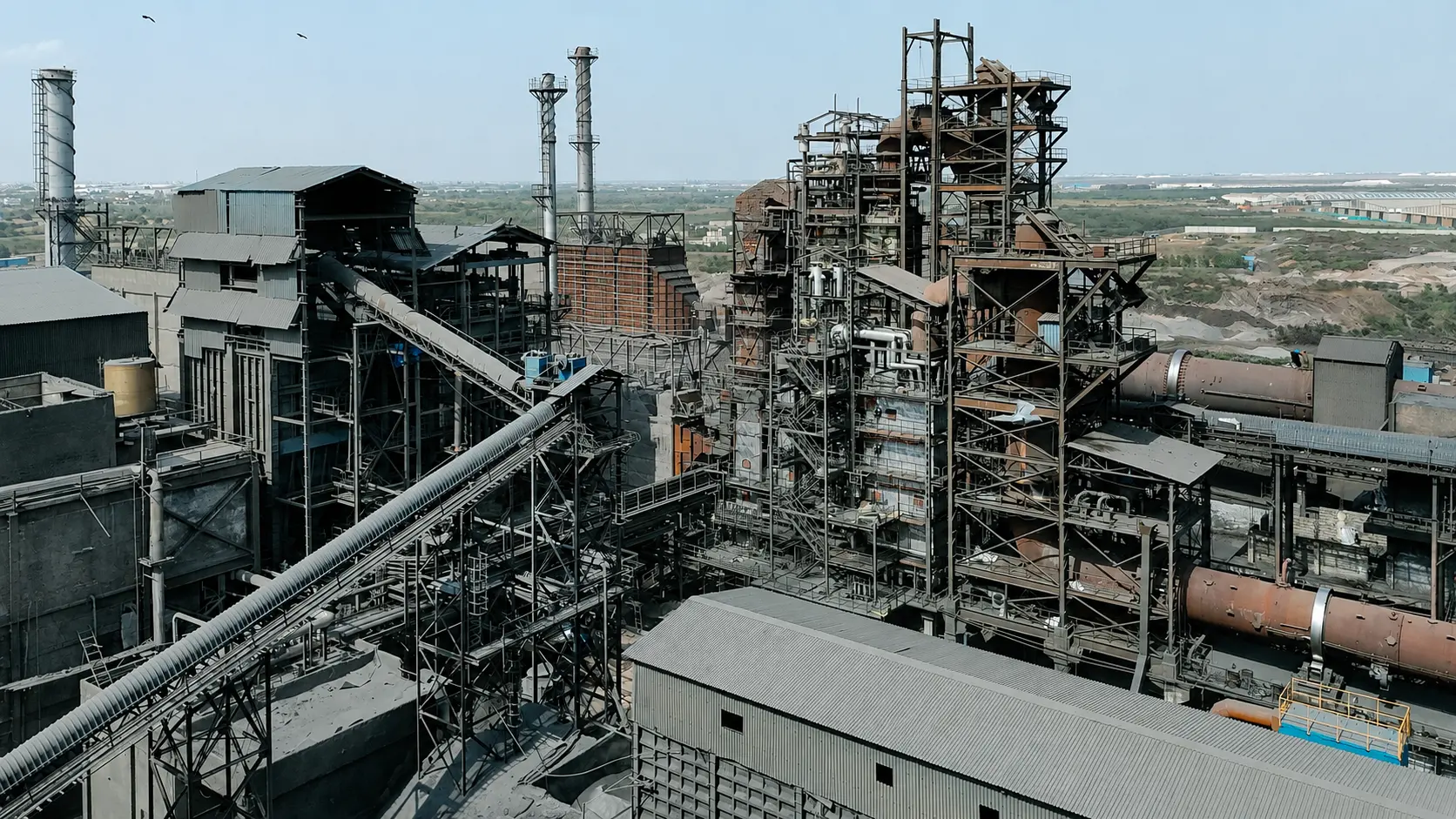
SAL Steel Limited, based in Gandhidham, Gujarat, operates across four key product segments: Sponge Iron (DRI), Ferro Chrome, Iron Ore Pellets and Captive Power. These operations represent different but complementary areas of the industrial and steel manufacturing value chain.
The science behind steel quality is ultimately practical: suitable raw materials, controlled production conditions, verified chemistry and consistent testing. Through its four product segments, SAL Steel contributes to the industrial supply chain supporting ironmaking, steelmaking and downstream applications.
Durable steel starts with dependable inputs, controlled processes and product quality that can be measured.
Explore SAL Steel
Discuss Your Requirements