Every building, bridge and major infrastructure project depends on materials that can meet demanding engineering requirements. Behind the finished structure is a steelmaking value chain that begins with carefully selected raw materials, controlled production processes and consistent quality standards. At SAL Steel, these foundations are reflected in our work across Iron Ore Pellets, Sponge Iron (Direct Reduced Iron or DRI), Ferro Chrome and Captive Power.
Construction steel must meet the requirements of its intended application, from strength and durability to chemical composition and performance in service. While the finished steel product is shaped by the steelmaker and the applicable standards, the quality of its metallic inputs and alloying materials is an important part of the wider manufacturing process.
Why strong construction begins with the right raw materials
The strength and performance of a finished steel product are influenced by several stages of production. Iron-bearing raw materials, the reduction process, furnace operations, alloy additions and quality checks all contribute to the final result. For steel producers, reliable raw-material inputs help support process planning and the production of steel grades designed for specific applications.
This is why the steel supply chain matters to construction. The beams, reinforcement, sections, plates and other steel products used in buildings and infrastructure depend on upstream materials and manufacturing processes working together. A dependable raw-material ecosystem helps steel producers maintain the consistency required by their customers.
Sponge Iron (DRI): An Important Input for Steelmaking
Sponge Iron, also known as Direct Reduced Iron (DRI), is produced by removing oxygen from iron ore in the solid state, without melting the ore as in a blast furnace. The resulting porous metallic material can be used as a metallic charge in suitable steelmaking routes, including electric arc and induction furnace operations.
DRI is valued by steelmakers for its role in managing the metallic charge mix and supporting the production of steel with controlled chemistry. Its suitability for a particular operation depends on factors such as iron content, metallisation, residual elements and the requirements of the furnace and finished steel grade. Consistent production and appropriate quality checks are therefore important throughout the DRI supply chain.
At SAL Steel, Sponge Iron is part of our product portfolio and integrated manufacturing activity. It connects the iron-bearing raw-material stage with downstream steelmaking requirements, where process control and product specifications guide the final application.
Ferro Chrome: The Alloy Contribution to Steel Performance
Iron is the principal base metal in most steels, but alloying elements are used to achieve properties required for different applications. Chromium is one such element. It contributes to corrosion and oxidation resistance and is an essential constituent of stainless steel. Ferro Chrome is an important commercial source of chromium for steelmaking.
Chromium content varies according to the grade and intended use of the steel. Stainless steel, for example, contains at least approximately 10.5% chromium by mass, while other alloy and carbon steel grades may use different compositions to meet their performance requirements. The appropriate Ferro Chrome grade and addition rate are determined by the steelmaker's target chemistry and production process.
SAL Steel produces Ferro Chrome as part of its ferroalloy portfolio. By supplying an alloying material used in steel production, the company participates in an upstream stage of the value chain that serves a wide range of industrial and infrastructure applications.
Iron Ore Pellets: Supporting Consistent DRI Production
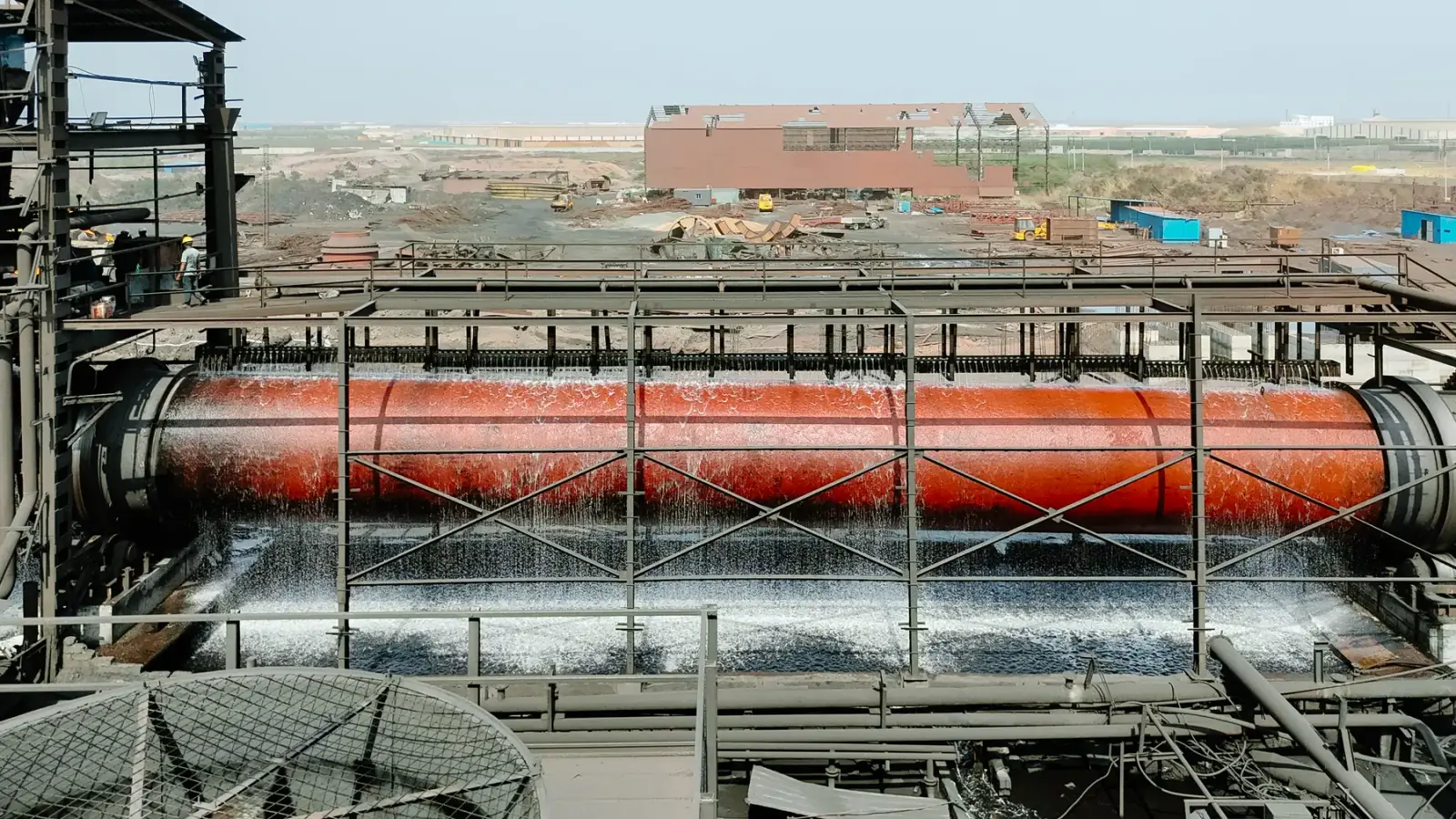
Iron Ore Pellets are formed from processed iron ore fines and hardened into compact, rounded feed material. They are used in direct reduction processes, including coal-based rotary kiln operations, where iron ore is converted into Sponge Iron (DRI). The quality of the pellets entering the kiln is therefore an important consideration in the wider construction steel supply chain.
Key quality indicators for rotary kiln applications include iron content, silica and alumina levels, size distribution, compressive strength and resistance to generating excessive fines during handling and heating. Consistent size and physical strength can help maintain more uniform feed conditions, while suitable chemistry helps control the amount of gangue entering the process.
During coal-based direct reduction, pellets move through the rotating kiln with coal and other process materials. At elevated temperatures, reducing gases remove oxygen from the iron oxides, producing metallic iron. Pellet characteristics influence how the feed moves, heats and reacts; however, final DRI quality and kiln performance also depend on coal quality, temperature profile, residence time, airflow and overall process control.
For this reason, pellet selection should be based on the requirements of the plant and the intended DRI specification rather than a single headline iron percentage. Reviewing chemical composition, physical properties, delivery consistency and plant performance data helps manufacturers assess whether a pellet grade is suitable for their process.
Iron Ore Pellets are part of SAL Steel Limited's product and manufacturing portfolio in Gandhidham, Gujarat. Their role alongside Sponge Iron, Ferro Chrome and Captive Power reflects the connected nature of the company's operations and the importance of dependable raw materials in industrial production.
Captive Power: Supporting Manufacturing Continuity
Energy is a major operating requirement in the steel and ferroalloy industries. Manufacturing processes depend on substantial and carefully managed power input, making energy availability and operational planning important considerations for an integrated plant.
Captive power generation can help a manufacturing facility manage part of its electricity requirement through its own generation infrastructure. It can support operational planning and reduce reliance on external supply alone. Actual production continuity and product quality, however, also depend on equipment condition, process controls, maintenance, raw-material consistency and the wider operating environment.
SAL Steel's captive power operations form part of its integrated manufacturing setup. Alongside its material production activities, this infrastructure supports the energy requirements associated with industrial operations.
The People and Responsibilities Behind Every Structure
Construction materials are ultimately used in places where people live, work, travel and connect. That makes quality, specification and responsible manufacturing important considerations for every participant in the supply chain. Engineers and fabricators rely on steel products that meet project requirements, while steel producers depend on suitable inputs and disciplined manufacturing practices.
No single raw material can guarantee the performance of a finished structure. Design, engineering, fabrication, installation, inspection and compliance with relevant standards all play essential roles. Upstream manufacturers contribute by focusing on product consistency, process discipline and clear technical information.
Supporting India's Construction and Infrastructure Growth
Roads, bridges, rail networks, industrial facilities, commercial buildings and housing all require steel products suited to their engineering and operating conditions. As infrastructure expands and existing assets are upgraded, the steel industry remains an important part of the materials ecosystem supporting this development.
A resilient steel value chain depends on coordinated activity across raw-material processing, metallic inputs, alloy production, energy supply and finished-steel manufacturing. Reliable suppliers and consistent product specifications help manufacturers plan production and serve a broad range of customer requirements.
SAL Steel: Contributing to the Steel Value Chain
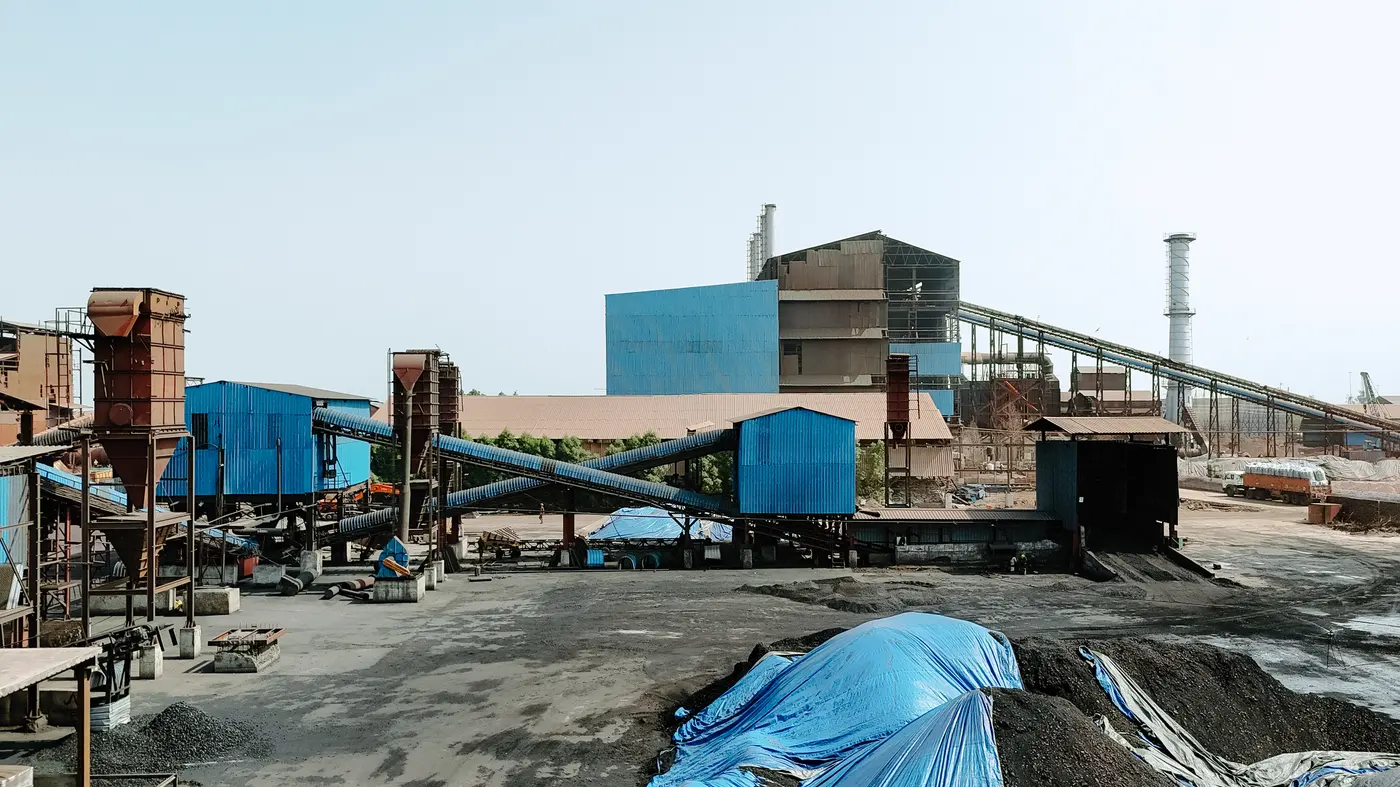
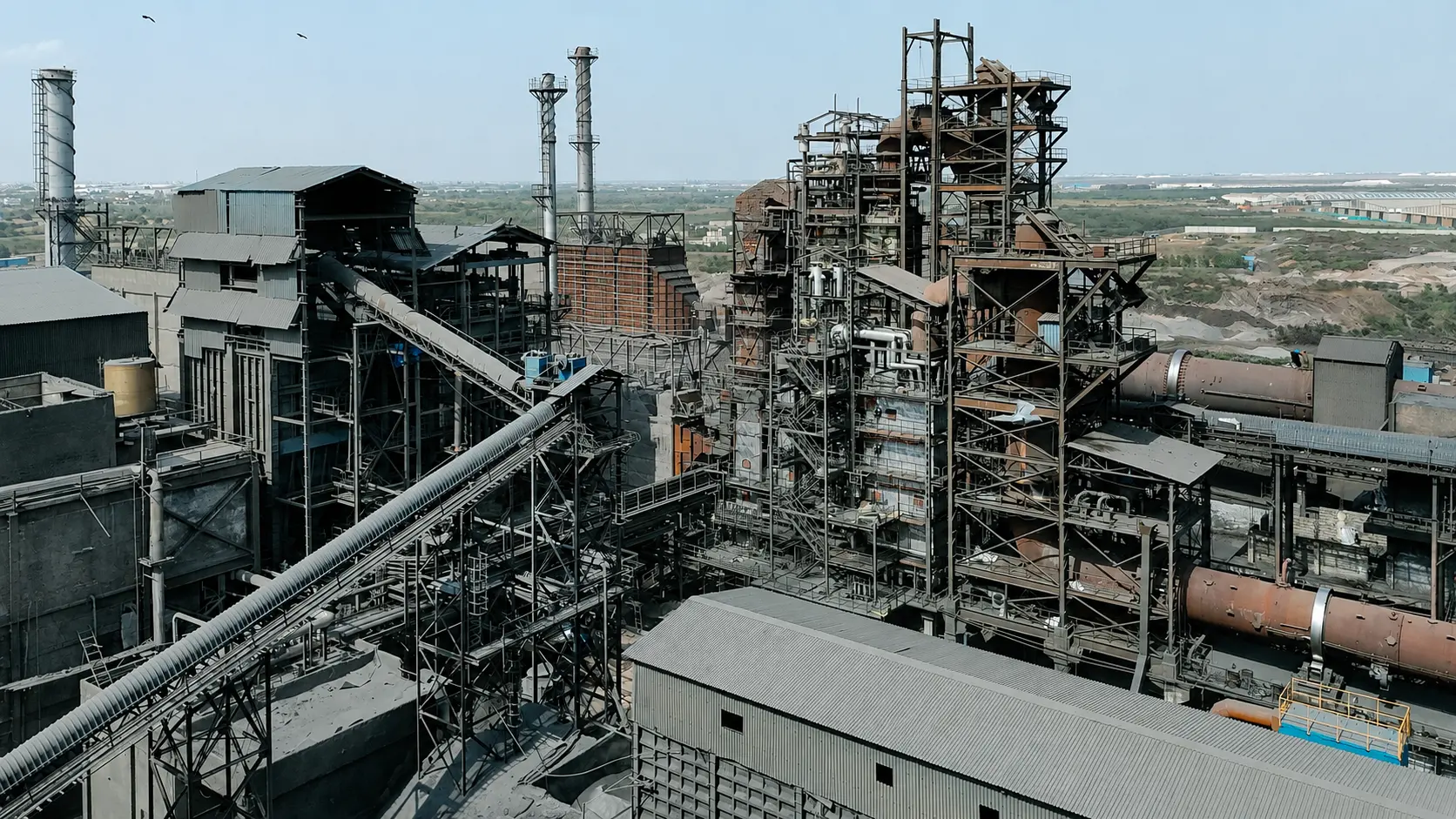
Based in Gandhidham, Gujarat, SAL Steel Limited has an integrated manufacturing portfolio that includes Iron Ore Pellets, Sponge Iron (DRI), High Carbon Ferro Chrome and Captive Power. These operations position the company within key upstream segments of the steel and ferroalloy value chain.
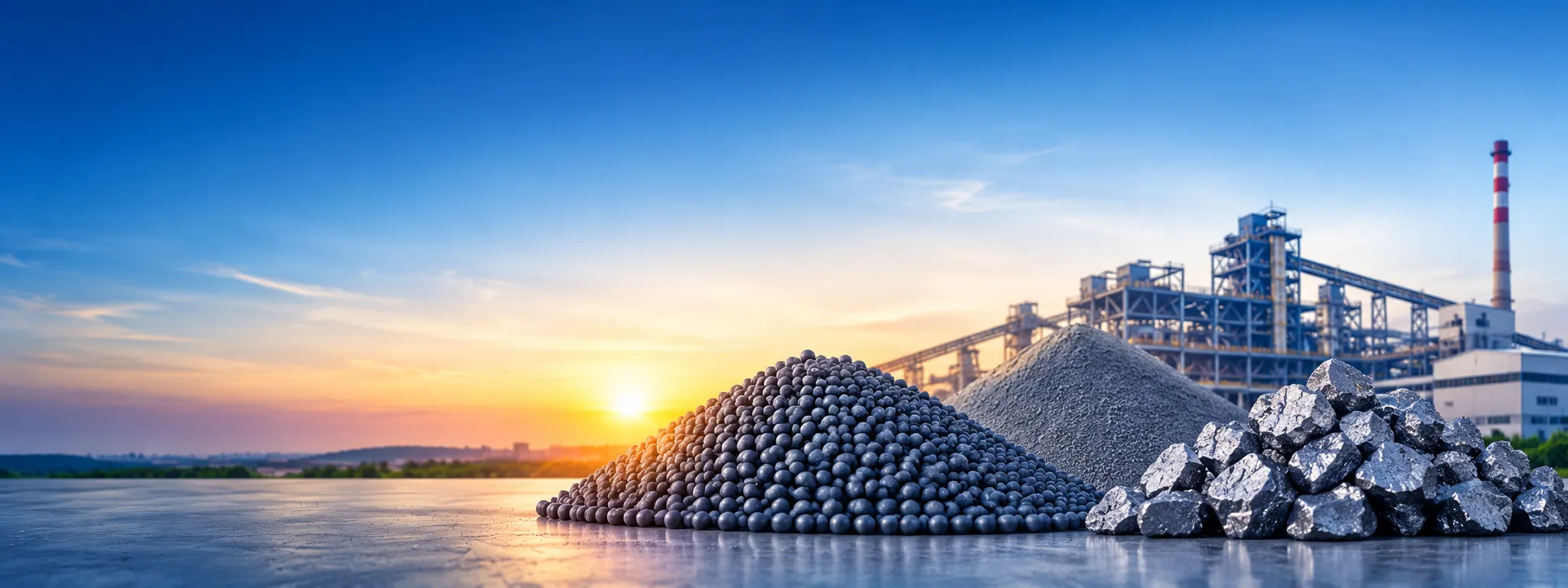
Each product has a distinct role: Iron Ore Pellets provide feed material for direct reduction; Sponge Iron provides a metallic input for suitable steelmaking processes; Ferro Chrome supplies chromium for alloying; and Captive Power forms part of the facility's energy infrastructure. Together, these activities reflect the connected nature of industrial manufacturing and the importance of dependable inputs.
Stronger construction depends on many contributors working to defined specifications. SAL Steel's focus on its manufacturing operations is part of that wider effort to support the materials and processes behind India's evolving industrial and infrastructure landscape.
Strong structures begin long before construction. They depend on suitable raw materials, disciplined manufacturing and steel products made to meet the requirements of each application.