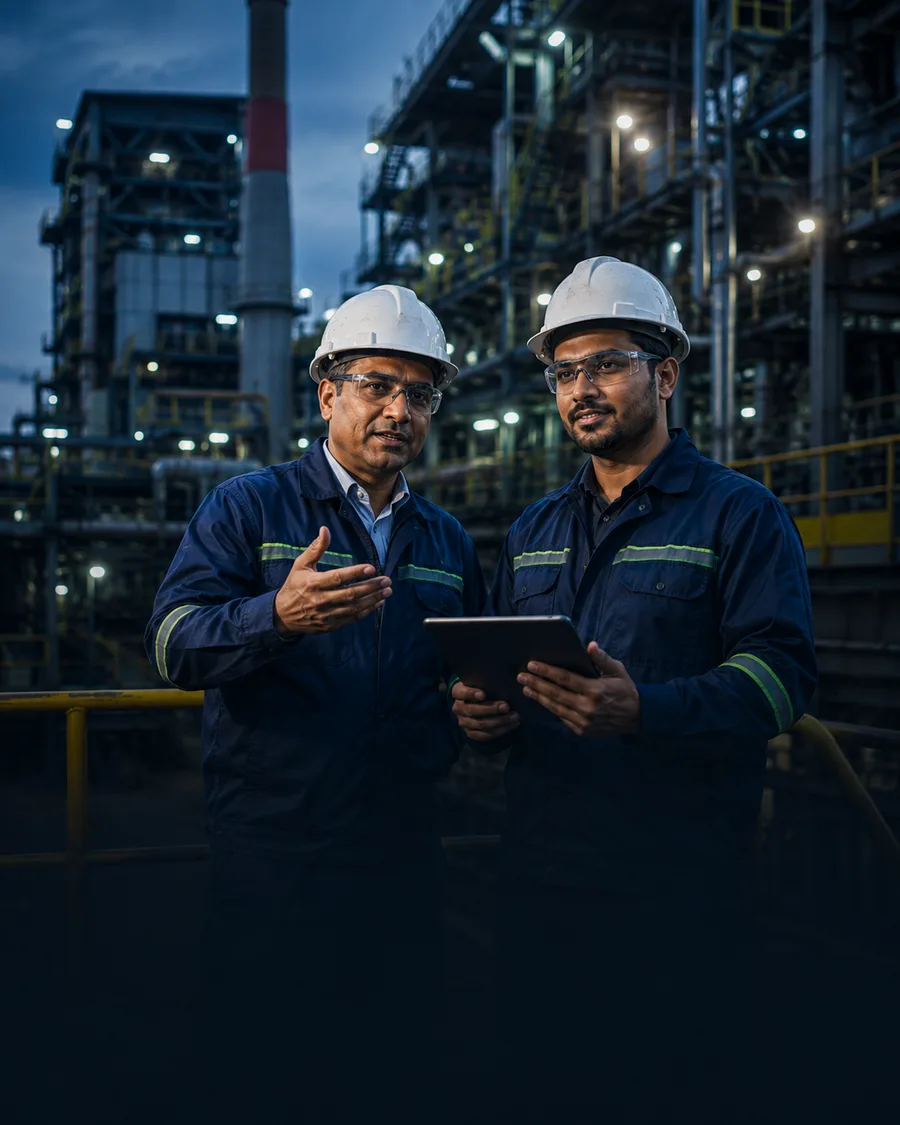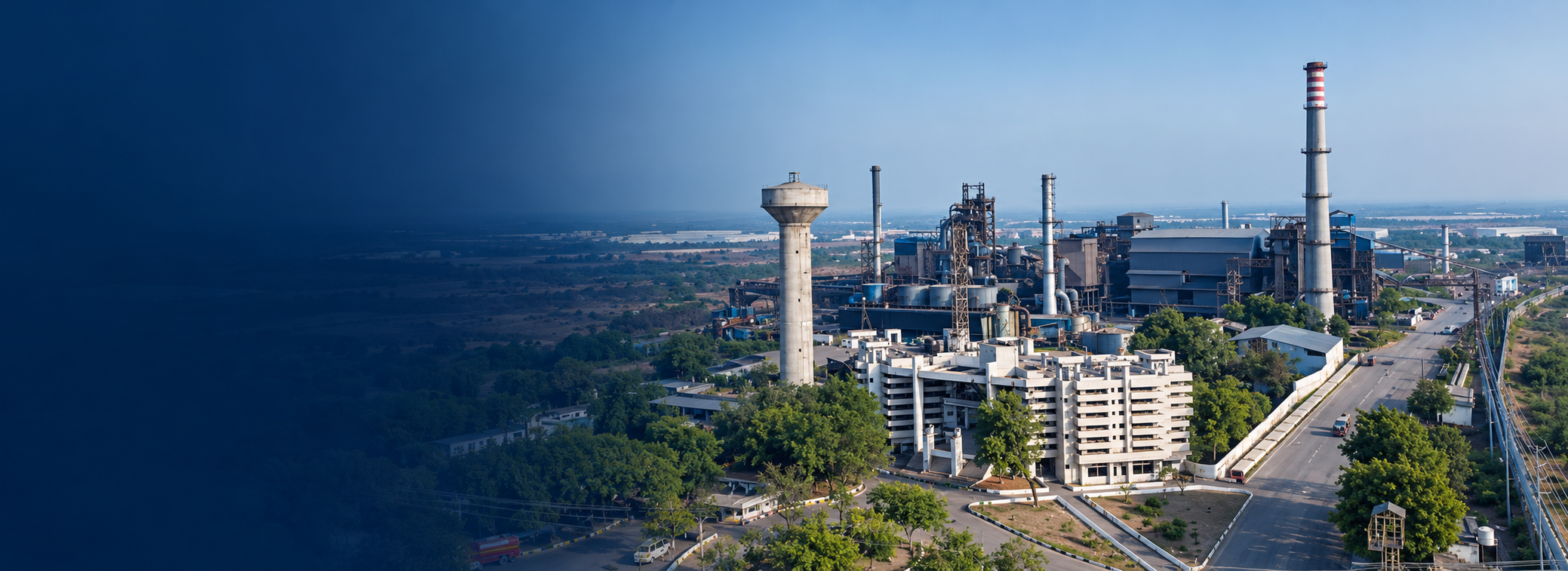
India is in the middle of a significant industrial transformation. At the heart of it, almost invisibly, is steel and more precisely, the raw materials and primary metals that make steel possible in the first place.
At SAL Steel, we believe a nation is only as strong as the foundations it builds on. Not just the bridges and buildings, but the entire industrial chain that feeds them. That is why our work in sponge iron, iron ore pellets, ferrochrome and captive power is not just about business - it is about being part of something bigger.
India's industrial transformation
When people talk about infrastructure, they picture highways, ports and power lines. What they rarely picture is what makes all of that possible before a single pillar goes up. The answer is primary steel inputs - the raw, processed materials that feed the furnaces, rolling mills and fabrication yards that eventually produce what a nation is built with.
The invisible backbone of growth
Sponge iron, also called Direct Reduced Iron (DRI), is produced by reducing iron ore in a solid state using coal or gas. It is a highly pure form of iron that steel manufacturers across the country depend on as a consistent charge material for electric arc furnaces and induction furnaces. Without reliable DRI supply, the downstream steel ecosystem becomes unpredictable.
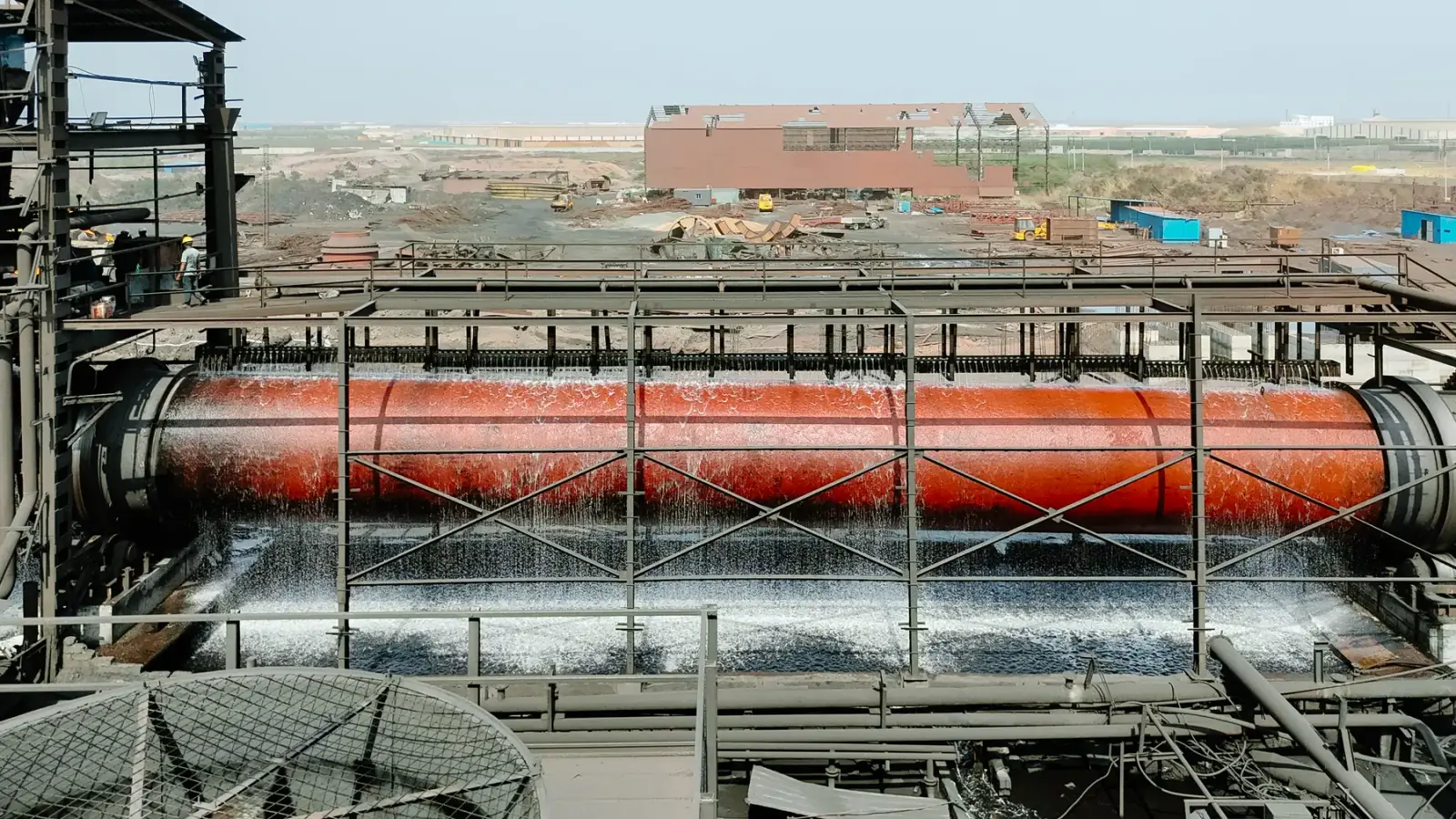
SAL Steel produces coal-based sponge iron using rotary-kiln technology at its Gandhidham facility in Kutch, Gujarat. Captive pellet feed supports the integrated production route, helping coordinate raw-material supply for both internal consumption and external buyers.
Iron ore pellets: small in size, massive in impact
Pellets are a prepared iron-bearing feedstock for direct reduction processes. Their size, strength and chemical composition influence burden movement and reduction performance in a rotary kiln. Consistent pellet quality matters to DRI producers seeking predictable kiln operation, lower fuel consumption and repeatable metallisation rates.
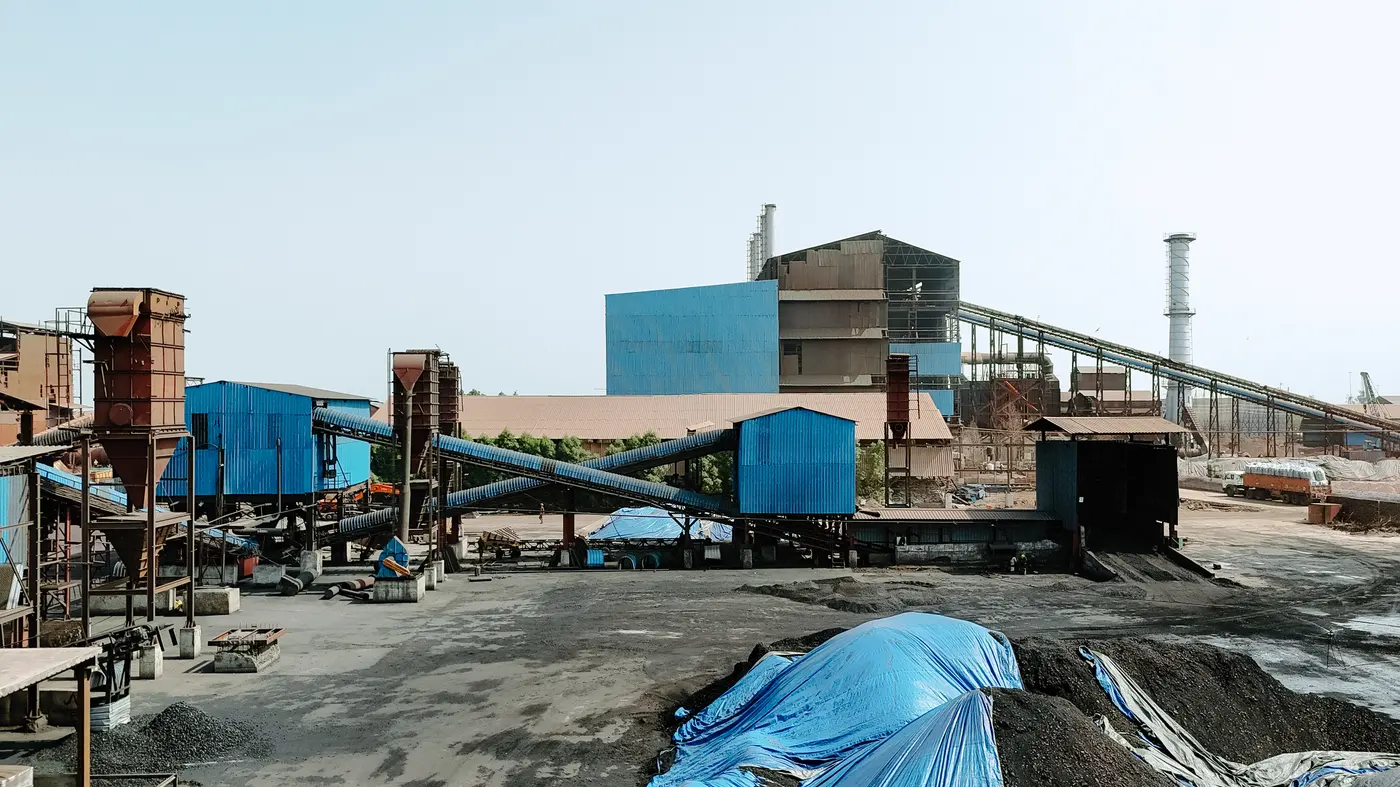
SAL Steel manufactures iron ore pellets for captive DRI consumption and external supply. This dual role connects the pellet plant directly to downstream sponge iron production while supporting other manufacturers who depend on consistent pellet supply.
Ferrochrome: the alloy that defines modern steel
Ferrochrome is an alloy of chromium and iron and is the primary raw material used in the production of stainless steel. India's appetite for stainless steel has been growing steadily, fuelled by rising incomes, urbanisation and an expanding manufacturing sector.
SAL Steel manufactures High Carbon Ferro Chrome in Low Silicon and Normal Silicon grades using submerged arc furnace infrastructure at its Gandhidham facility.
- Low Silicon Ferro Chrome suits converters and processes where tight silicon control reduces refining burden and saves time at the AOD or VOD.
- Normal Silicon Ferro Chrome is the efficient choice for applications where the silicon specification is wider and the price premium for controlled silicon is not warranted.
By producing high-quality ferrochrome domestically, SAL Steel contributes directly to India's ability to manufacture stainless steel without depending entirely on imports.
A stronger ferrochrome industry means a stronger stainless steel industry and a more self-reliant Indian economy.
Captive power: the energy behind everything
Steel production is one of the most energy-intensive industrial processes on the planet. Every disruption in power supply translates directly into production losses, quality inconsistencies and higher costs. For a manufacturer where grid power can be unpredictable, captive power is not a luxury it is a lifeline.
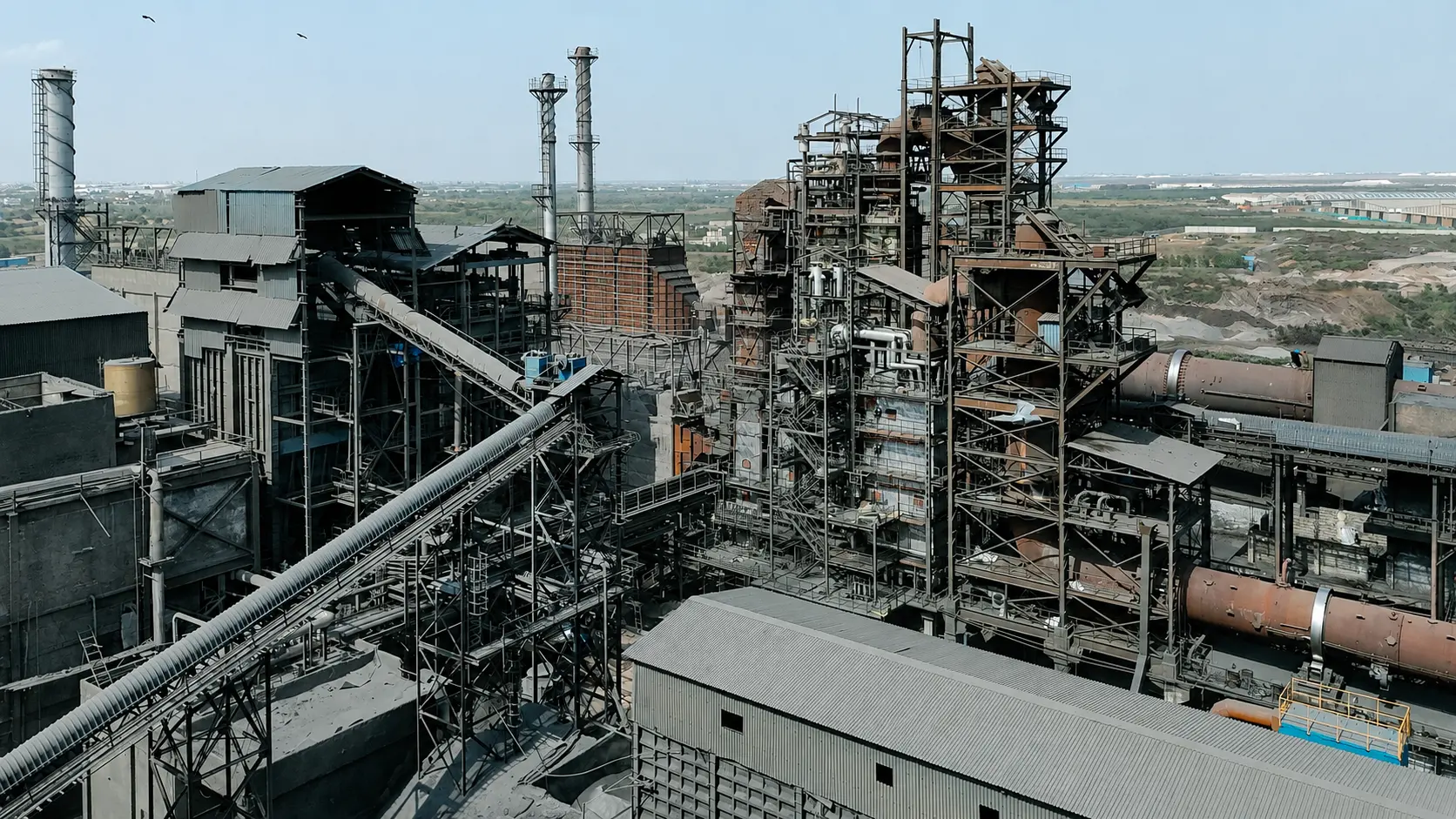
SAL Steel's Waste Heat Recovery Boiler (WHRB) captures exhaust energy from the rotary kiln and converts it into electricity. An Atmospheric Fluidised Bed Combustion (AFBC) boiler complements this by processing char and other by-products. Together, these systems support approximately 17 MW of captive generation capacity, reducing grid reliance and making productive use of energy that would otherwise be lost.
Integration as strength
What ties all of these products together is a philosophy of integration. SAL Steel's model connects production activities so materials and resources move through a coordinated process. Control over upstream inputs helps improve consistency in downstream processes, and coordinated energy planning supports efficient plant operations.
- Input visibility: linked production stages help coordinate material requirements and process planning.
- Product consistency: disciplined raw-material handling and process control support repeatable manufacturing outcomes.
- Operational resilience: captive power and energy recovery add another layer of support for plant operations.
- Connected capabilities: pellets, DRI and ferro chrome serve different points across the wider steel value chain.
India's steel sector: the opportunity ahead
India is the world's second-largest steel producer, and government infrastructure spending on highways, railways, ports and urban housing points to demand that will only grow. The National Steel Policy has set ambitious targets for domestic capacity, and the push for self-reliance under Aatmanirbhar Bharat has given fresh urgency to building strong domestic primary metal production.
SAL Steel's Gandhidham location in Kutch gives it direct access to Kandla, Tuna and Mundra ports, plus road and rail networks that support the movement of raw materials and finished products. Port proximity compresses landed cost and shortens lead times a logistics advantage that grows in importance as volumes scale.
Looking forward
The India of tomorrow will be built on foundations laid today in the pellet plants, sponge iron kilns and ferrochrome furnaces running right now. SAL Steel Limited, established in 2003, operates from Gandhidham in Kutch, Gujarat, with manufacturing capabilities spanning iron ore pellets, sponge iron, High Carbon Ferro Chrome and captive power.
Primary metals rarely make headlines. But the roads that carry goods, the buildings that house families and the equipment that runs factories all trace back, sooner or later, to companies willing to do the foundational work. That is what we build. And that is why we believe stronger steel makes a stronger nation.
For product-specific chemistry, sizes, commercial terms and current supply options, contact SAL Steel directly.
Explore SAL Steel
Discuss Your Requirements