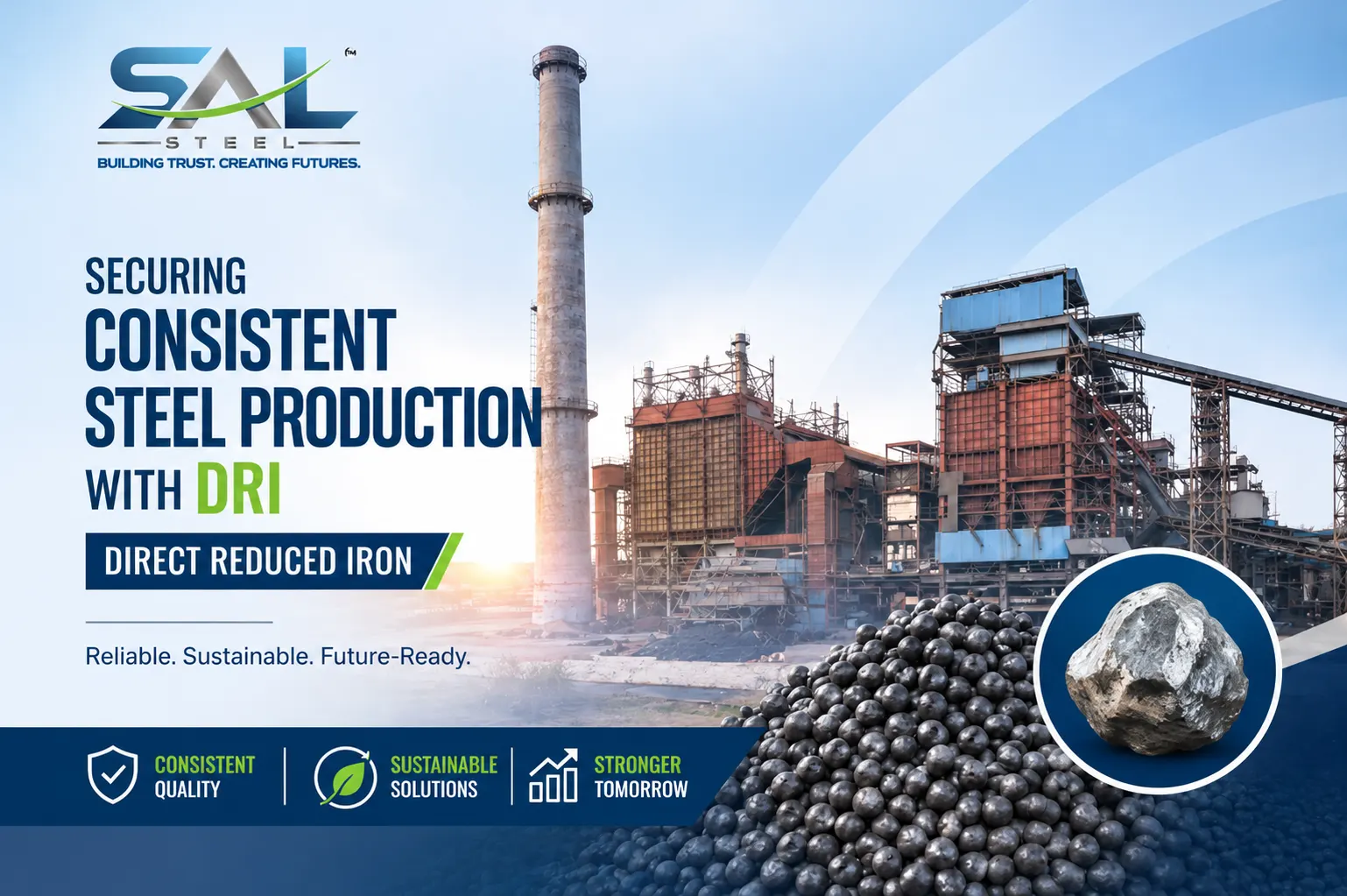
India’s industrial growth depends on more than the finished steel products people see in buildings, infrastructure and manufacturing facilities. It also depends on the materials and processes that support steelmaking at every stage. SAL Steel Limited, based in Gandhidham in Gujarat’s Kutch district, is part of this industrial value chain through its focus on sponge iron (Direct Reduced Iron or DRI), ferro alloys and integrated power operations.
From supplying metallic inputs for steel production to producing ferro chrome grades used in alloy and stainless steel applications, SAL Steel’s operations are built around materials that serve important industrial requirements. Its captive power setup also supports the energy needs of its manufacturing activities. Together, these operations form the foundation of the company’s manufacturing portfolio.
SAL Steel Limited: A diversified steel manufacturing company
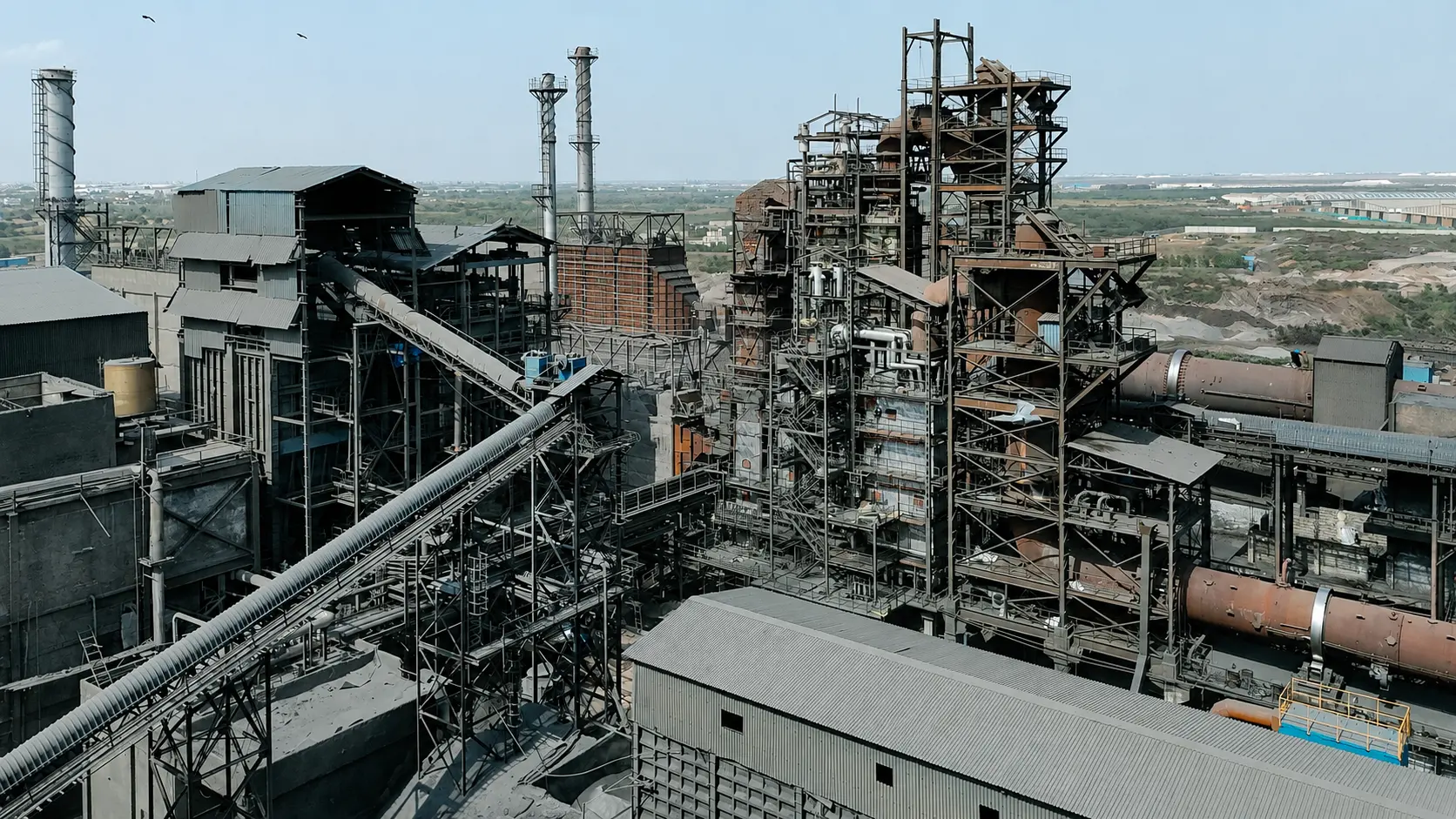
SAL Steel Limited is a diversified steel manufacturing company engaged in the production of Sponge Iron and Ferro Alloys. Its manufacturing facility at Gandhidham, Kutch, Gujarat, brings these activities together with captive power generation. This combination connects key stages of the industrial supply chain and reflects the role of dependable raw materials in modern steel manufacturing.
The operating capacities shared for the facility include 600 tonnes per day (TPD) of Sponge Iron, a 24 x 2 MVA Ferro Alloys plant and a 40 MW captive power setup, including 17 MW generated through Waste Heat Recovery Boilers (WHRB). These figures provide an overview of the scale and integration of the company’s manufacturing operations.
Sponge Iron (DRI): An important input for steelmaking
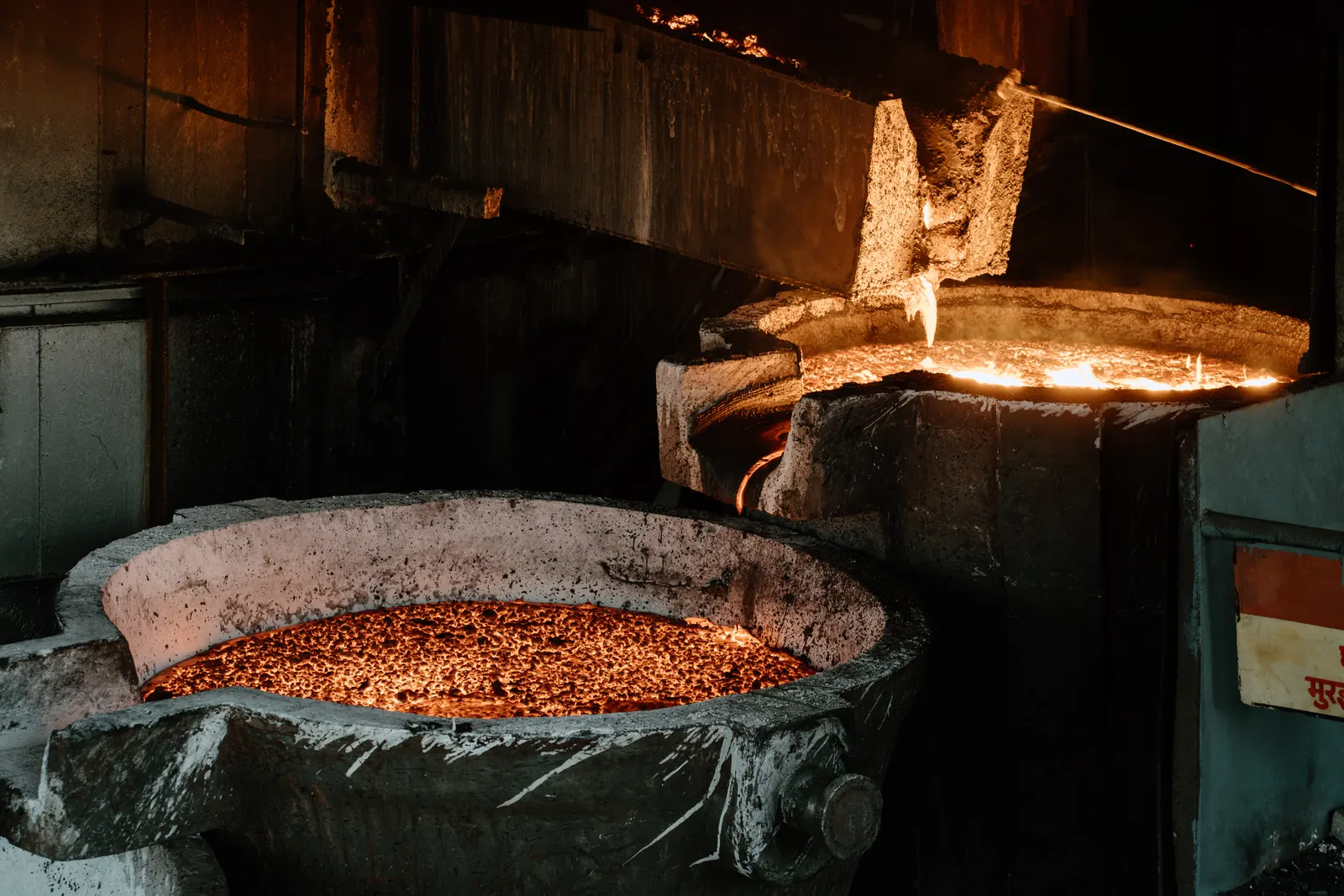
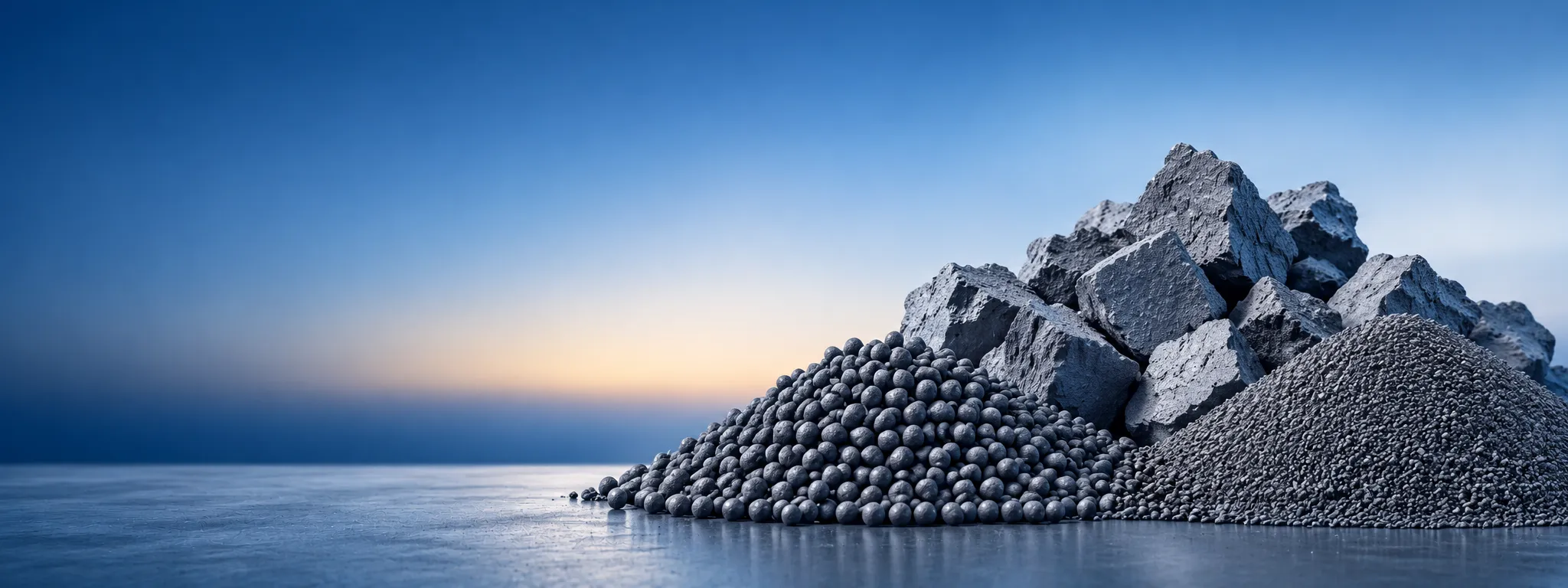
Sponge Iron, also known as Direct Reduced Iron (DRI), is produced by removing oxygen from iron ore while keeping the material in a solid state. In a coal-based rotary kiln process, non-coking coal is used as the reducing agent. The result is a porous metallic product that can be used as an iron-bearing input in downstream steelmaking.
Sponge iron is used in induction furnaces and electric arc furnaces, often alongside steel scrap or other metallic inputs. Its value lies in giving steelmakers another source of iron units whose composition and physical characteristics can be monitored and specified. The suitability of DRI for a particular application depends on parameters such as metallic iron content, degree of metallisation, carbon, gangue, sulphur, phosphorus, size and fines content.
SAL Steel’s Sponge Iron production capacity is 600 TPD. The production focus described for the material includes controlled sulphur and phosphorus levels. These elements matter because their presence can influence the properties and workability of the steel produced downstream. Consistent process monitoring and product testing are therefore important to meeting customer specifications.
For steel manufacturers, reliable sponge iron quality can support charge planning and help metallurgists manage the chemistry of the melt. The final steel quality, however, also depends on the full metallic charge mix, furnace conditions and downstream process controls.
Ferro Chrome: Supporting alloy and stainless steel production
Ferro Chrome is an important ferro alloy used to introduce chromium into steel. Chromium contributes to corrosion resistance and is a defining alloying element in stainless steel. The required ferro chrome grade depends on the target steel chemistry, production route and the properties expected from the finished material.
SAL Steel’s Ferro Alloys portfolio includes High Carbon Ferro Chrome and Low Silicon Ferro Chrome. Offering these variants addresses different alloying requirements and gives steel producers options when managing the chemistry of their melts.
High Carbon Ferro Chrome
High Carbon Ferro Chrome is used as a chromium-bearing addition in steelmaking applications where the carbon contribution can be accommodated within the overall refining and composition plan. It is widely used in the production of stainless steel and other chromium-alloyed steel grades.
Low Silicon Ferro Chrome
Low Silicon Ferro Chrome is selected for applications where the silicon contribution from alloy additions needs closer control. Managing silicon can be important when steelmakers are targeting specific chemical compositions and product requirements. The appropriate grade is determined by the intended steel specification and the melt-shop process.
SAL Steel’s Ferro Alloys plant has a stated capacity of 24 x 2 MVA. For customers, the key considerations when sourcing ferro chrome include the required chromium and carbon levels, silicon content, consistency between batches and compliance with the purchase specification.
Captive power and waste heat recovery
Sponge iron and ferro alloy manufacturing are energy-intensive activities. Rotary kilns, furnaces and associated plant equipment require a dependable supply of power to maintain planned operating conditions. SAL Steel’s 40 MW captive power setup is an integral part of its manufacturing ecosystem.
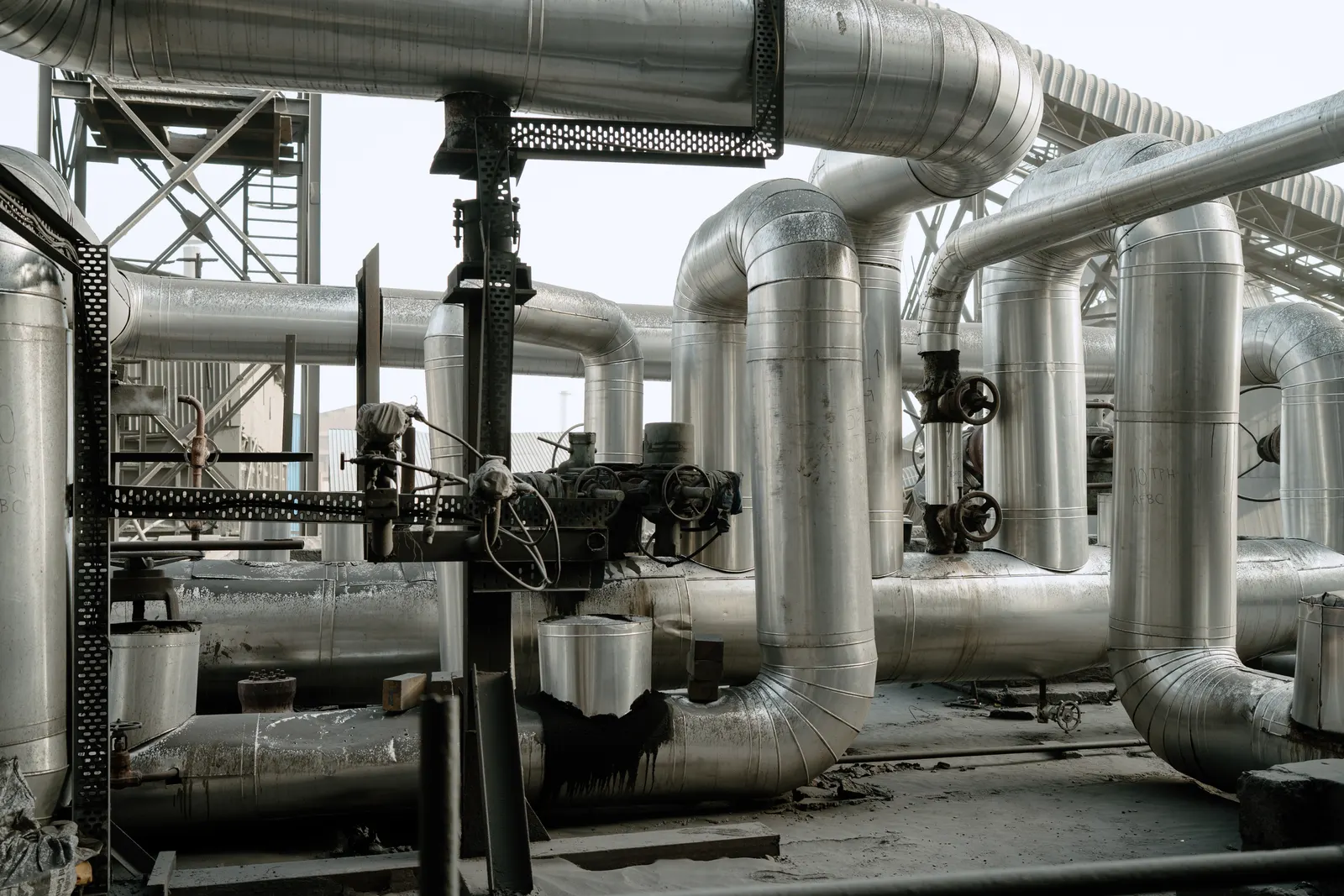
A significant component of this setup is its 17 MW Waste Heat Recovery (WHR) capacity. Waste Heat Recovery Boilers capture usable thermal energy from hot process gases generated during sponge iron production. The recovered heat is used to produce steam, which can then be used for power generation. This approach makes productive use of process heat that would otherwise leave the system as waste energy.
Integrating power generation with manufacturing can support operational planning and improve the utilisation of energy within the facility. The actual performance and environmental benefit of a power system depend on its configuration, operating conditions and fuel or energy sources.
Gandhidham, Gujarat: A strategic location for industrial operations
SAL Steel’s facility is located in Gandhidham, in the Kutch district of Gujarat. The region’s industrial infrastructure and access to port connectivity, including Kandla, are relevant considerations for the movement of raw materials and finished goods. For a manufacturing business, location can influence procurement planning, transportation choices and coordination with customers and suppliers.
Gujarat has an established industrial and logistics network, while the Kutch region connects manufacturing activity with important trade routes. For SAL Steel, operating from Gandhidham places its manufacturing facility within this wider industrial and transport landscape.
How SAL Steel’s operations connect to customer requirements
Sponge Iron, Ferro Chrome and captive power serve different functions, but together they form a connected manufacturing portfolio. Sponge Iron supplies metallic iron units for steelmaking. Ferro Chrome provides chromium-bearing alloy additions for stainless and alloy steel production. Captive power and waste heat recovery support the energy requirements of the manufacturing facility.
This integrated footprint is relevant to customers looking for industrial suppliers that understand material specifications, production discipline and the operational requirements behind steel inputs. Product selection should always be based on the intended application and the technical specification agreed between supplier and customer.
Learn more about SAL Steel’s Sponge Iron (DRI), Ferro Chrome and captive power operations. You can also explore the company’s integrated manufacturing approach for a wider view of its facility and operations.
Frequently asked questions about SAL Steel
What does SAL Steel Limited manufacture?
SAL Steel Limited is engaged in the production of Sponge Iron (Direct Reduced Iron) and Ferro Alloys, including High Carbon Ferro Chrome and Low Silicon Ferro Chrome. Its manufacturing setup also includes captive power generation.
What is Sponge Iron (DRI) used for?
Sponge Iron is a metallic iron-bearing input used in steelmaking, including induction furnace and electric arc furnace operations. It can be charged on its own in suitable processes or blended with scrap and other metallic inputs.
Which Ferro Chrome grades are included in SAL Steel’s portfolio?
The grades identified in SAL Steel’s portfolio are High Carbon Ferro Chrome and Low Silicon Ferro Chrome. The right grade depends on the target steel chemistry and application.
What is Waste Heat Recovery in a steel plant?
Waste Heat Recovery captures thermal energy from hot process gases and uses it to generate steam or useful power. SAL Steel’s stated captive power setup includes 17 MW of capacity from Waste Heat Recovery Boilers.
Where is SAL Steel Limited located?
SAL Steel’s manufacturing facility is located in Gandhidham, Kutch district, Gujarat, India.